Auto Transport After a Natural Disaster: What to Know
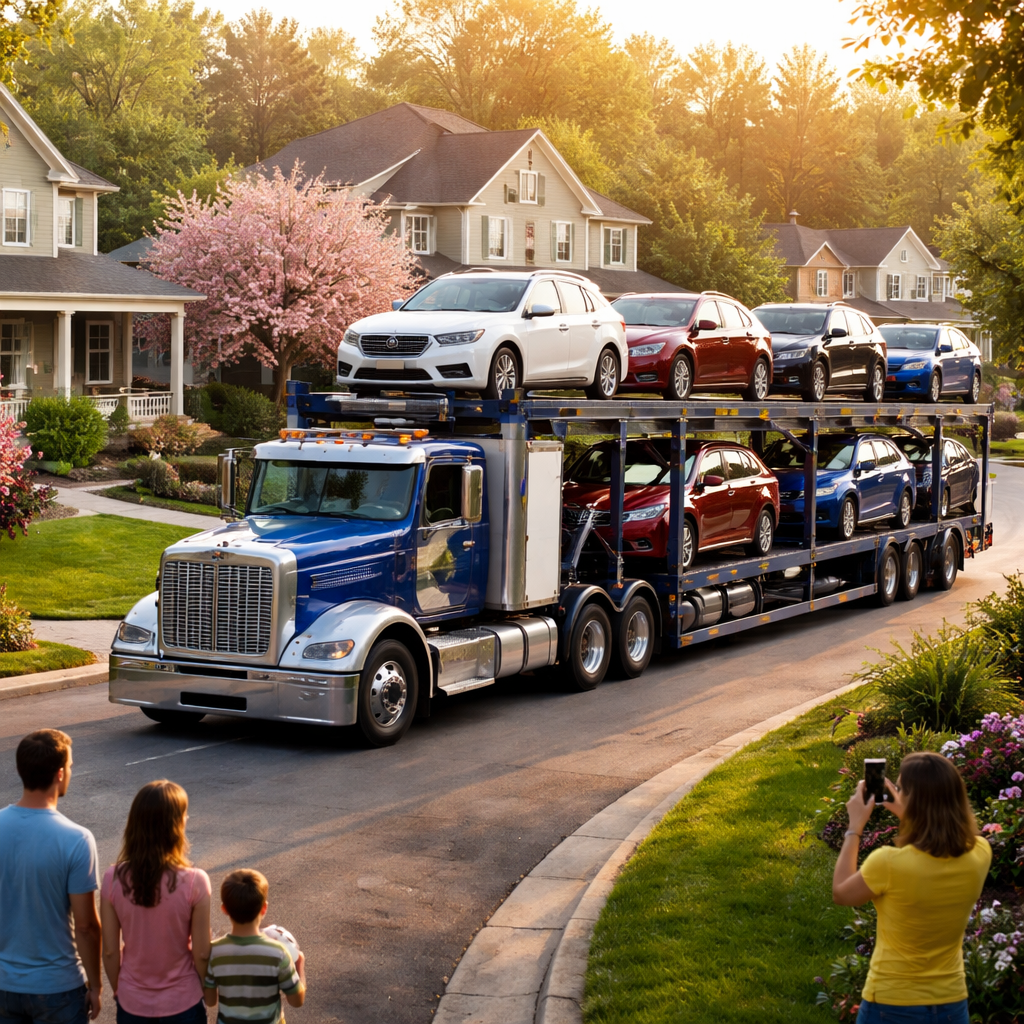
After a hurricane or flood, carrier capacity vanishes and rates spike. How to move a vehicle out of a disaster area and what insurers need documented.
Expert tips, comprehensive guides, and industry insights to help you navigate vehicle shipping with confidence. Updated weekly with the latest information.

After a hurricane or flood, carrier capacity vanishes and rates spike. How to move a vehicle out of a disaster area and what insurers need documented.

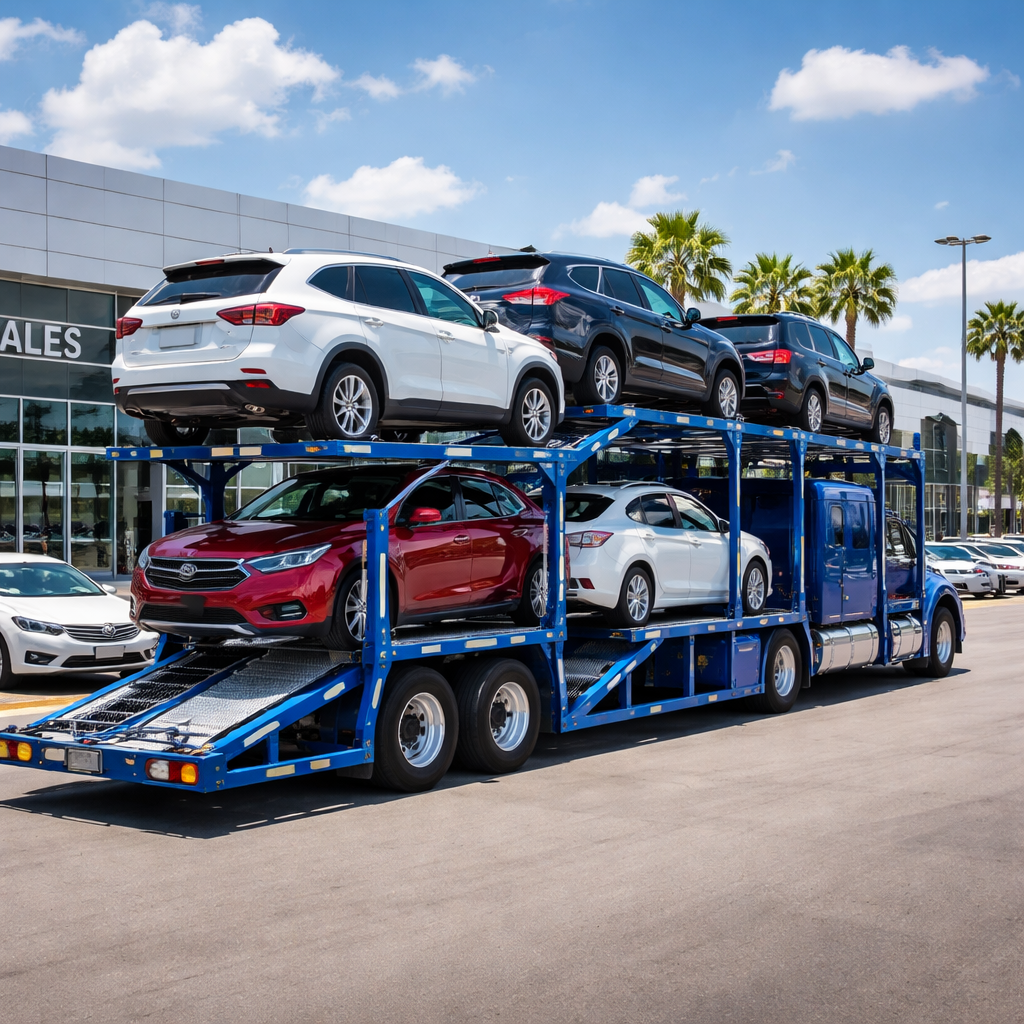
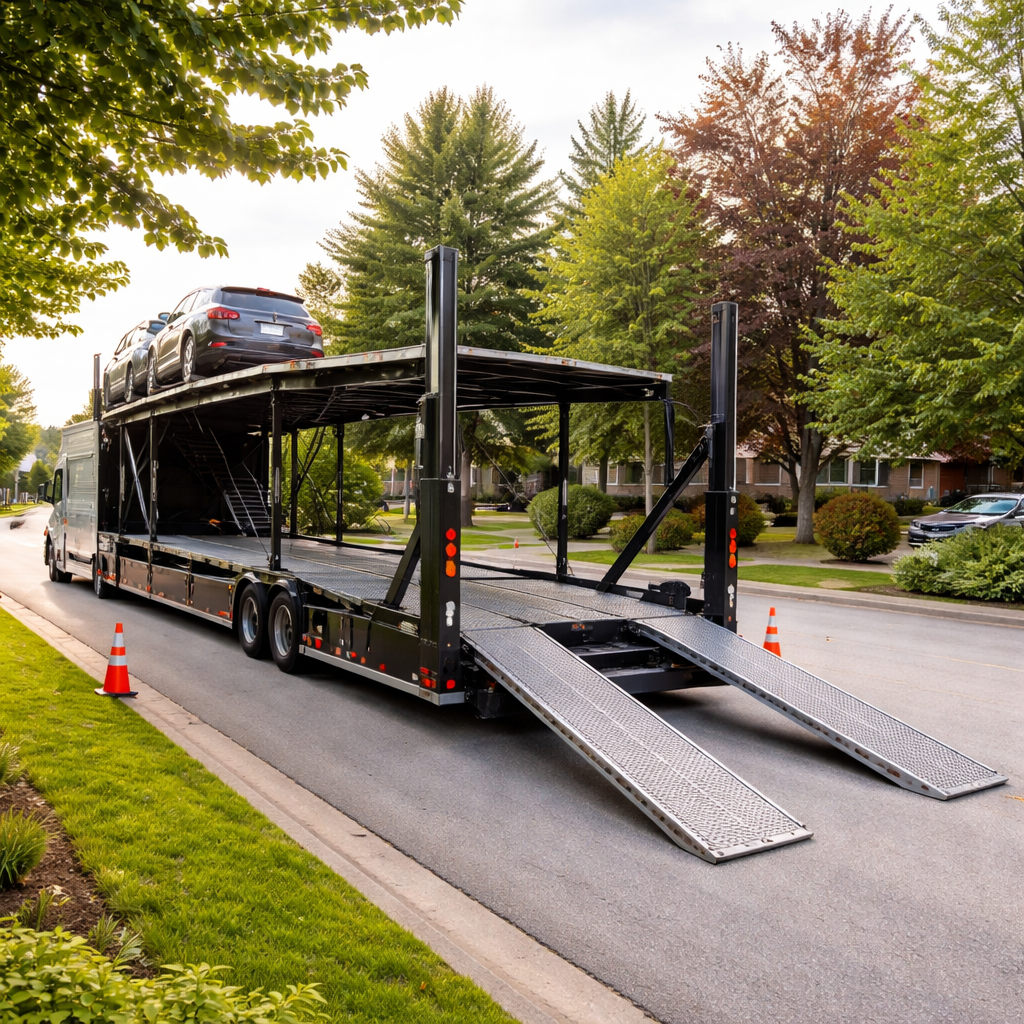
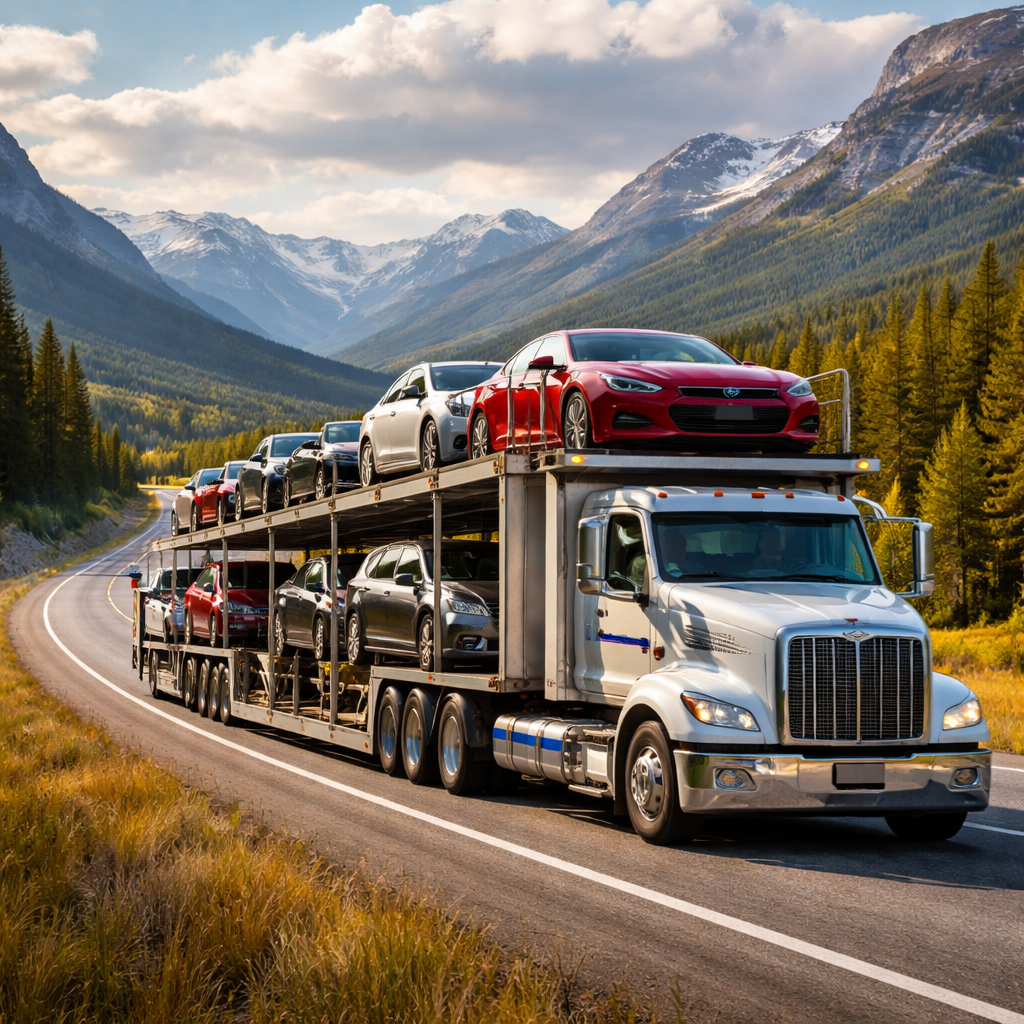
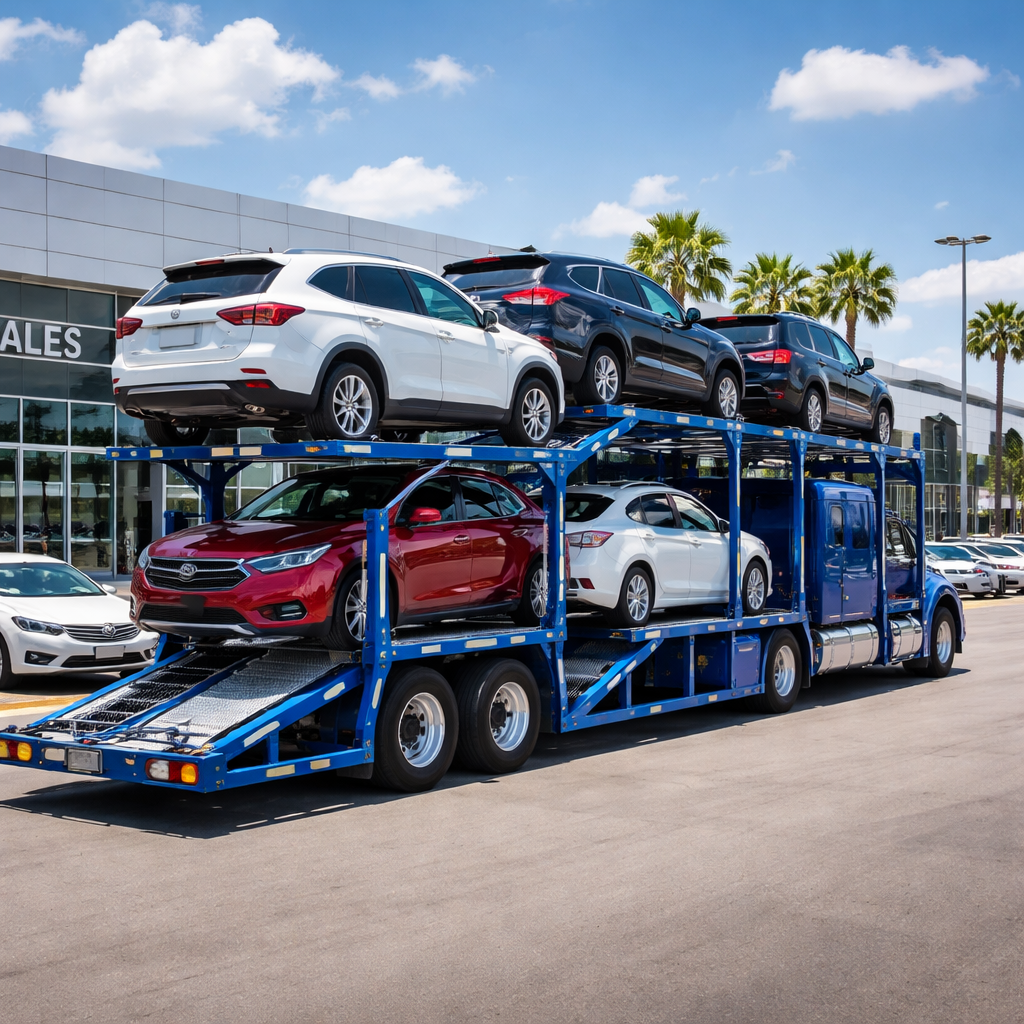
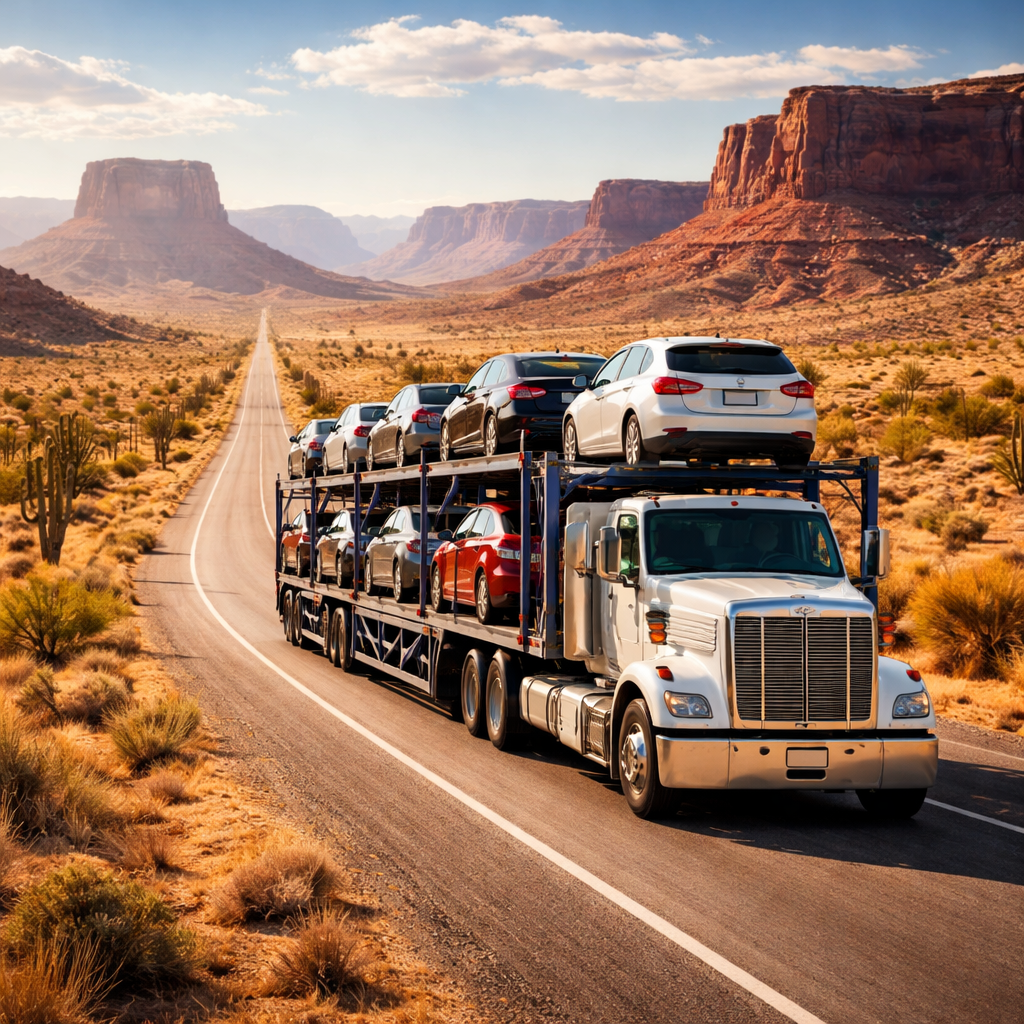
Open carriers move about 90% of shipped vehicles at 30-50% less cost. Enclosed protects against road debris and weather. How to decide between them.

Late autumn and midwinter are the cheapest months to ship a car in most corridors. What off-peak actually saves, and the delays to plan for.

How car shipment tracking really works: dispatch updates rather than live maps, driver check-ins, and what to do if you lose contact for a day.

How carriers route trucks, assign loads and keep trailers full, and why that dispatch logic decides your pickup window and your price.

Unlock the mystery of auto transport with our guide to key terminology. Equip yourself with knowledge for a smoother shipping experience!

What professional car shipping gives you that a driveaway service or a friend with a trailer does not: insurance, licensing and real recourse.

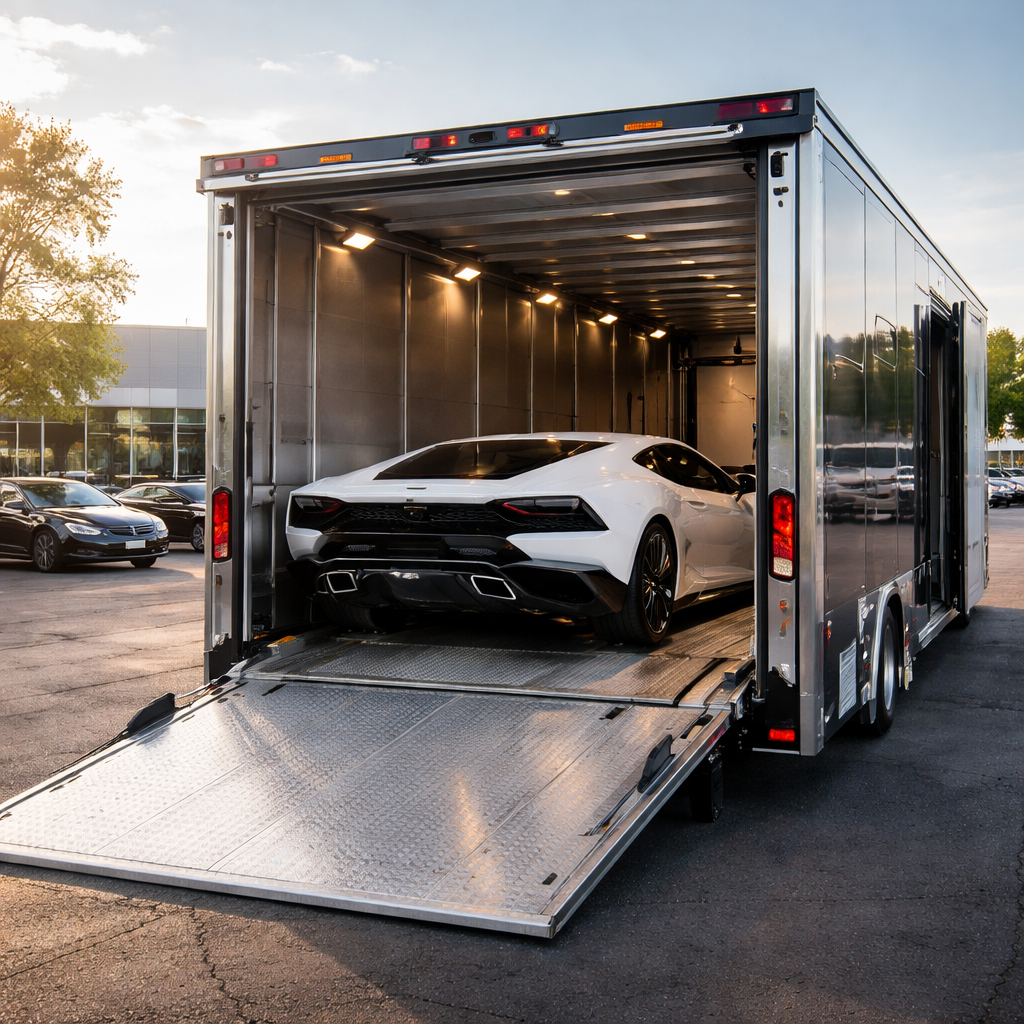
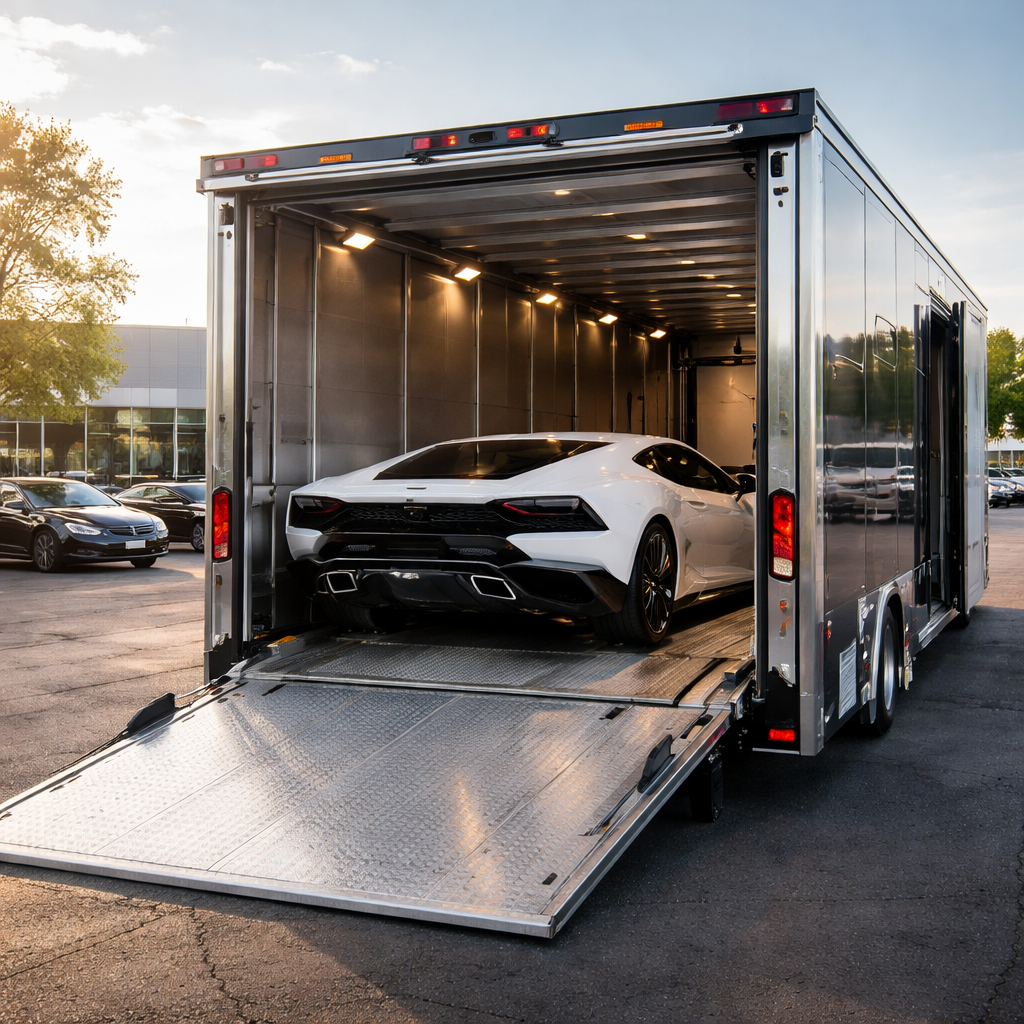
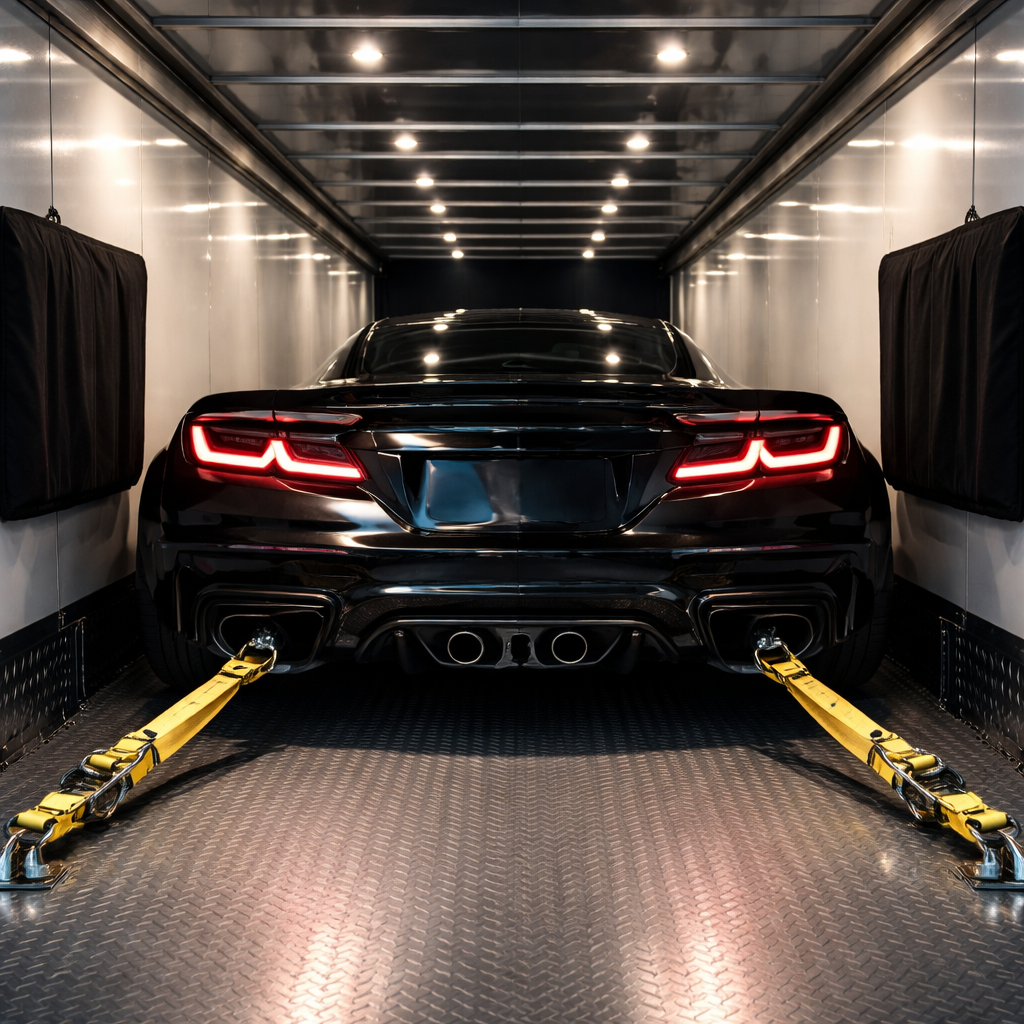
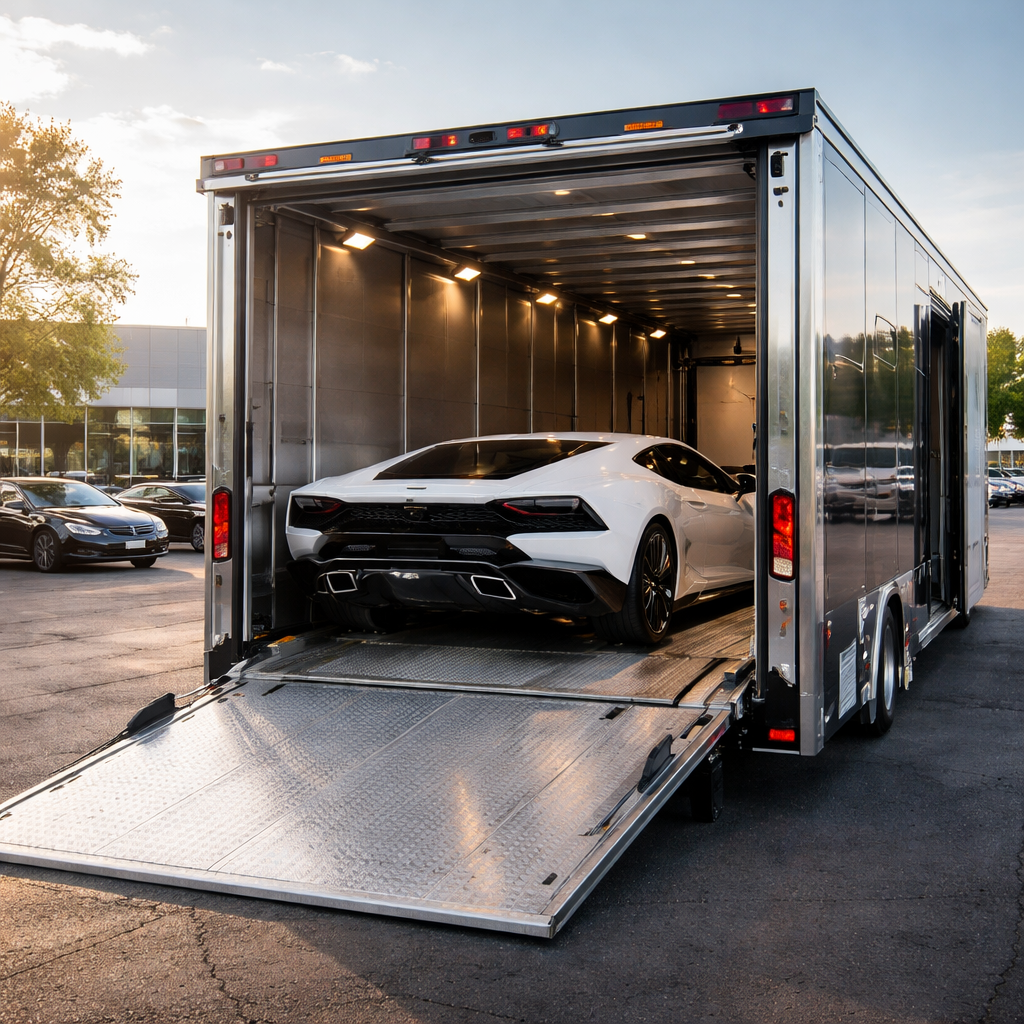
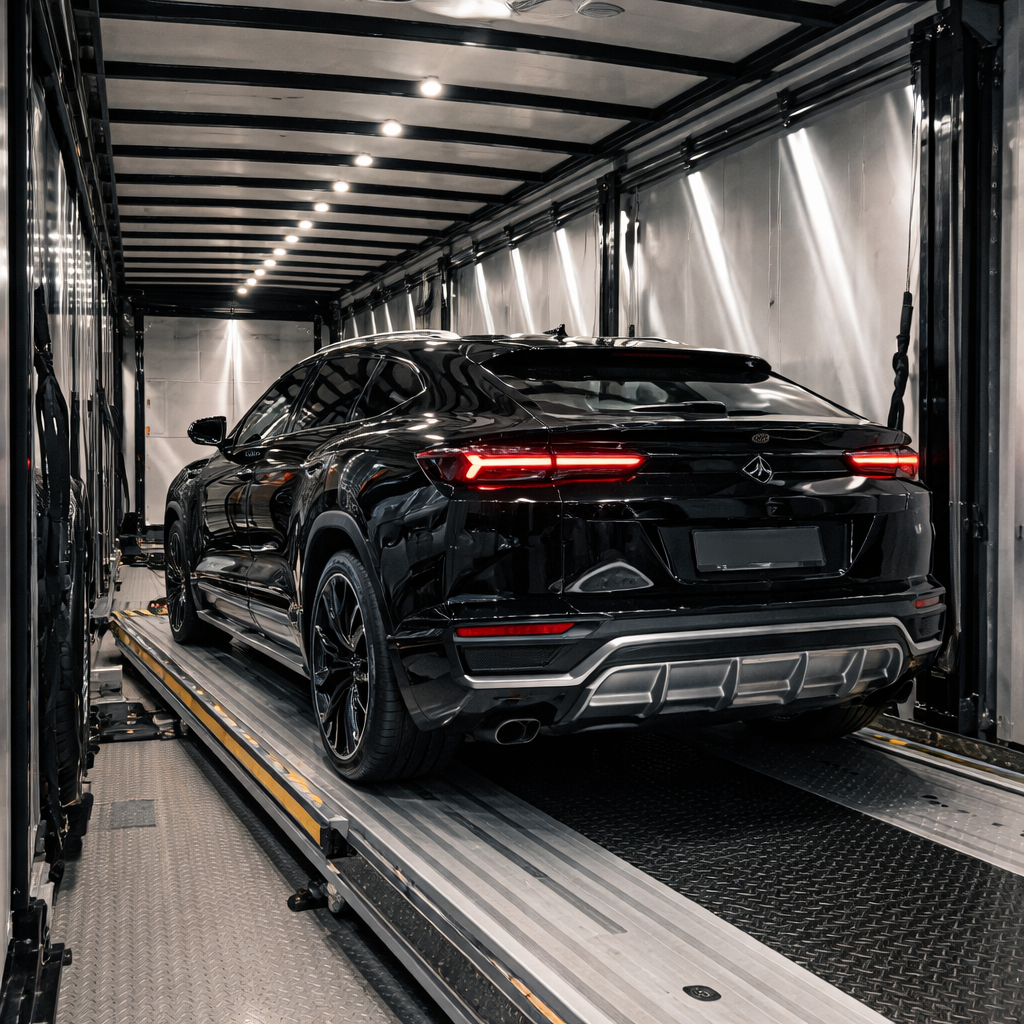
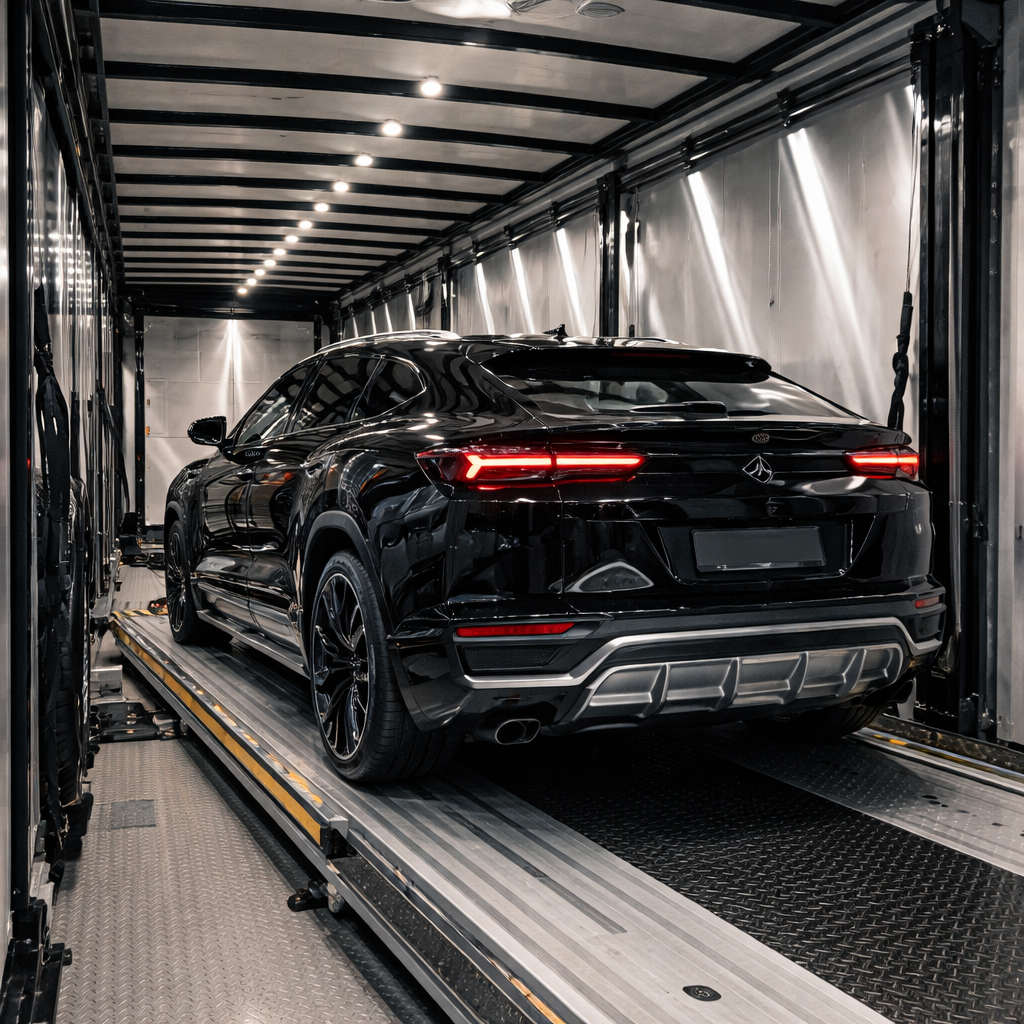
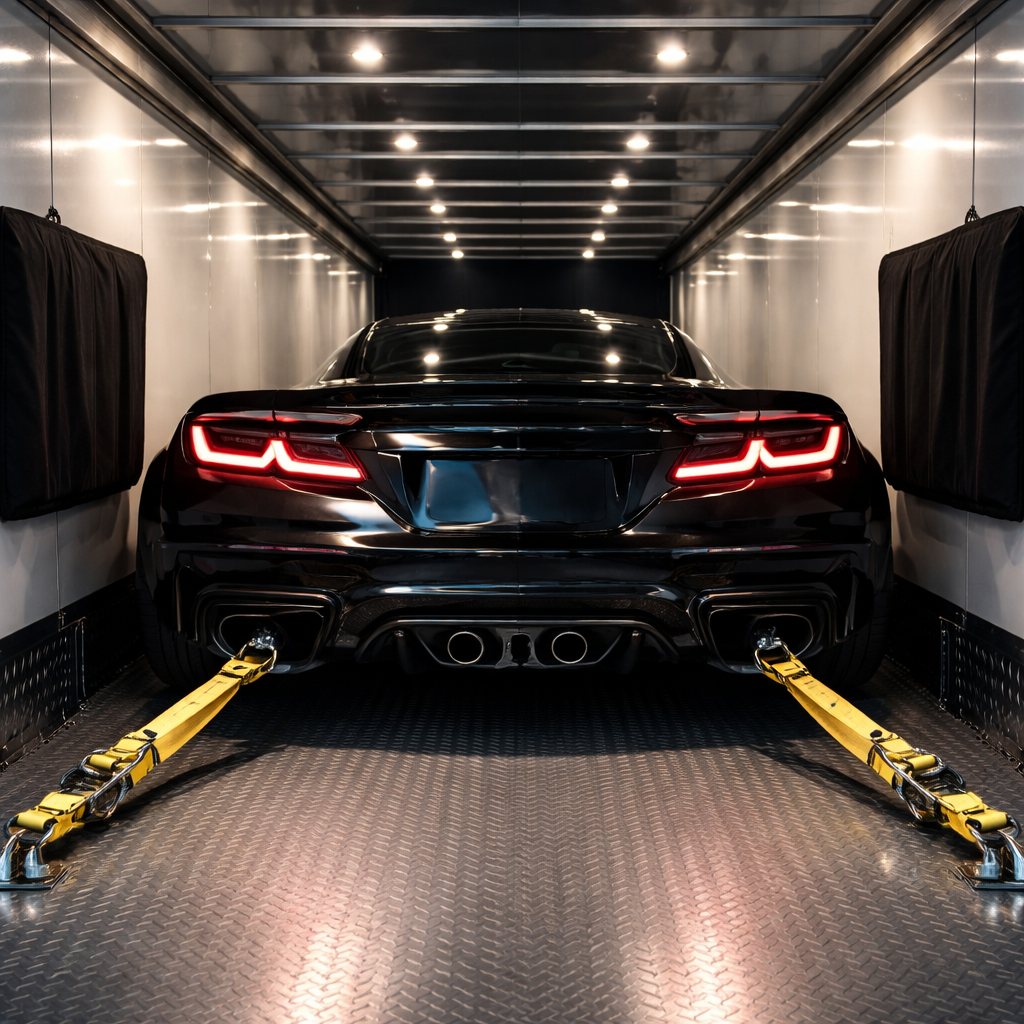
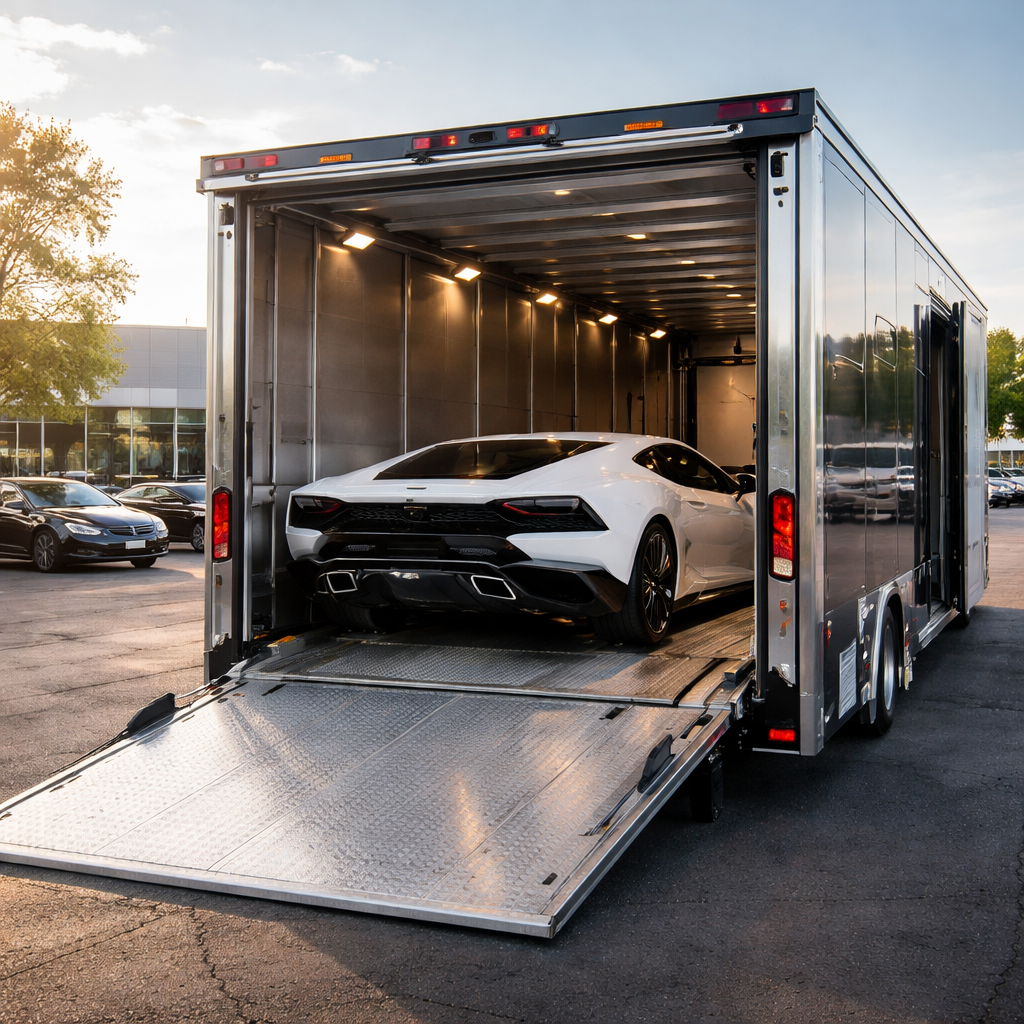
Enclosed transport protects better and costs 30-50% more, but carriers are fewer and booking is slower. The trade-offs before you pay the premium.

EVs weigh more, need specific tie-down points, and should travel at partial charge. What carriers require before loading an electric vehicle.

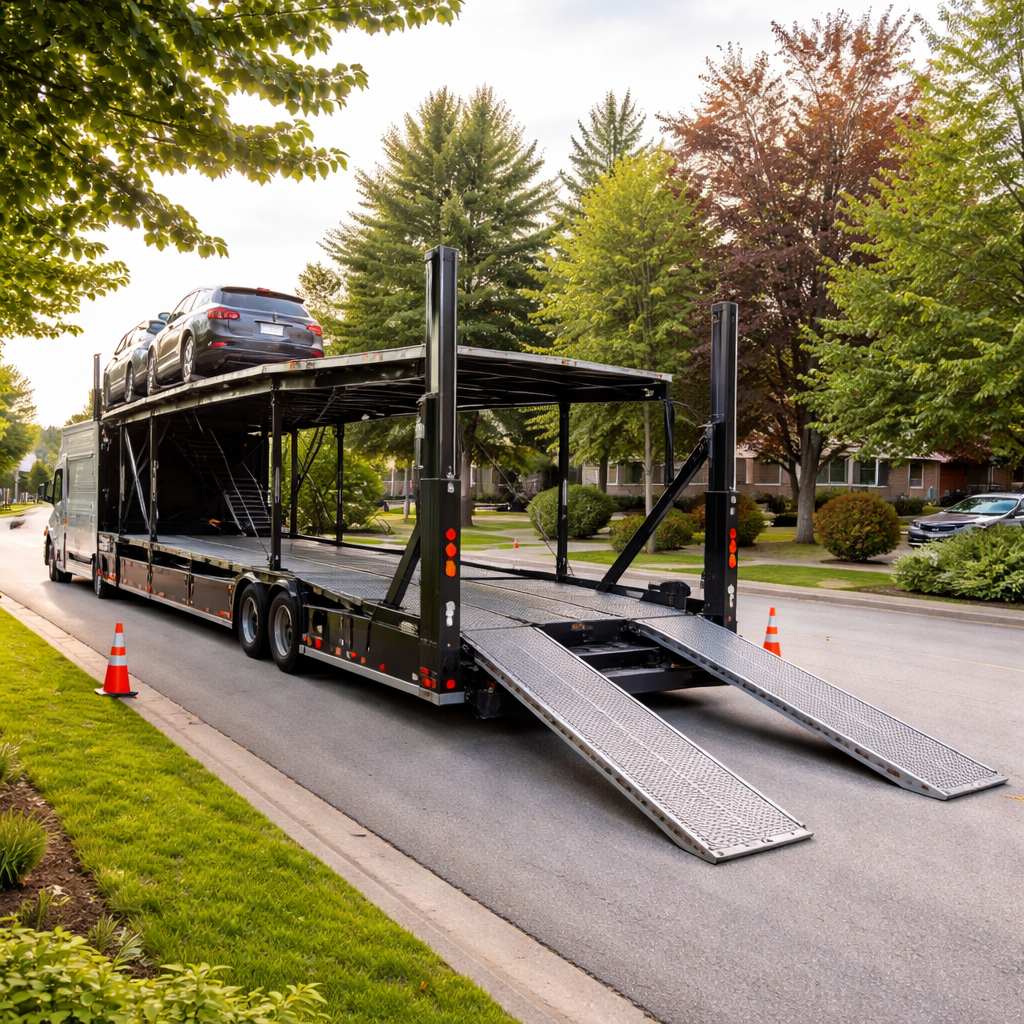
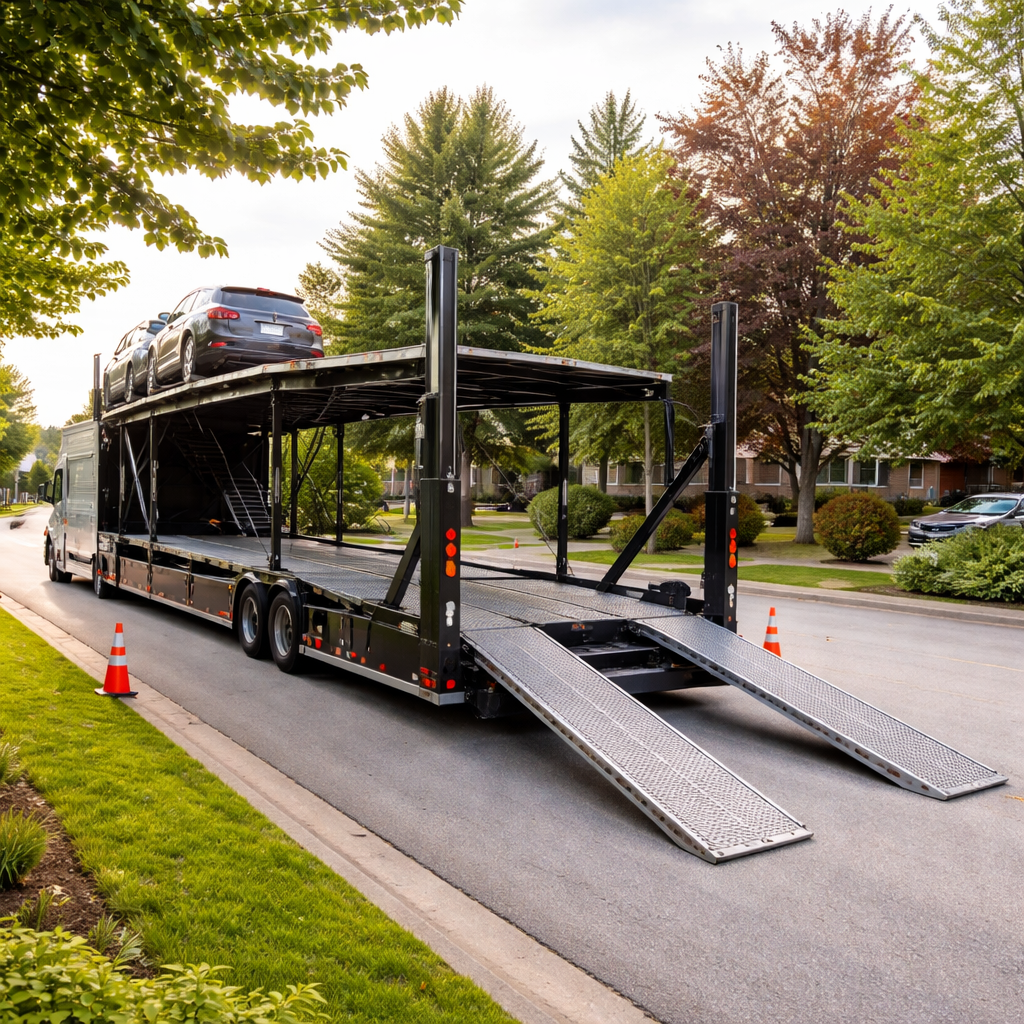
Open transport carries about 90% of vehicles shipped in the US and costs 30-50% less than enclosed. What it is, the real risks, and who it suits.

Per-mile, flat-rate and bid-based pricing all exist in auto transport and behave differently. Which model your quote uses and what that means for you.

Before you ship your vehicle, ask these 10 key questions to choose the right auto transport company and ensure a smooth process.

Snowbird season, summer moves and the August college rush all tighten carrier capacity. When rates rise, when they fall, and how far ahead to book.

FMCSA licensing, USDOT and MC numbers, cargo insurance minimums, and what a carrier must legally give you. The rules behind a car shipping contract.

How to follow a car in transit: dispatch updates, driver check-ins, ETA windows, and what to do when the truck goes quiet for a day.

Uncover the truth behind common auto transport myths. Get informed and make confident vehicle shipping decisions with our expert insights!

Consolidated loads, efficient routing and newer trucks cut the footprint of shipping a car. What sustainable auto transport means in practice.
GPS tracking is standard for fleets and rare for owner-operators. What visibility you can realistically expect, and how to ask for updates.

Why one auto transport quote is $600 and another $950 for the same car. What goes into the number, what is negotiable, and which quotes will not hold.

Wondering how long auto transport takes? Discover the factors that affect shipping times and get insights to plan your vehicle transport effectively!

Interstate car shipping is federally regulated, unlike a local tow. What changes when the car crosses a state line, and what to check before booking.

Carriers must carry cargo insurance by law, but limits and exclusions vary. What auto transport insurance covers, what it does not, and what to ask for.

Car shipping rates swing with the seasons: snowbird routes spike in autumn and spring, summer tightens everything. When to book and when to wait.

Carrier capacity, fuel prices and seasonal demand set what you pay to ship a car. Where the auto transport market is heading and what it means for rates.

The questions people actually ask before shipping a car: cost, timing, insurance, personal items in the car, and what happens if something goes wrong.

Florida, California, Texas, Arizona and the Carolinas absorb most cars shipped in the US. Where vehicles actually move, and what those lanes cost.

Licence checks, insurance limits, broker versus carrier, and the quote patterns that signal trouble. A checklist before you hand over your keys.

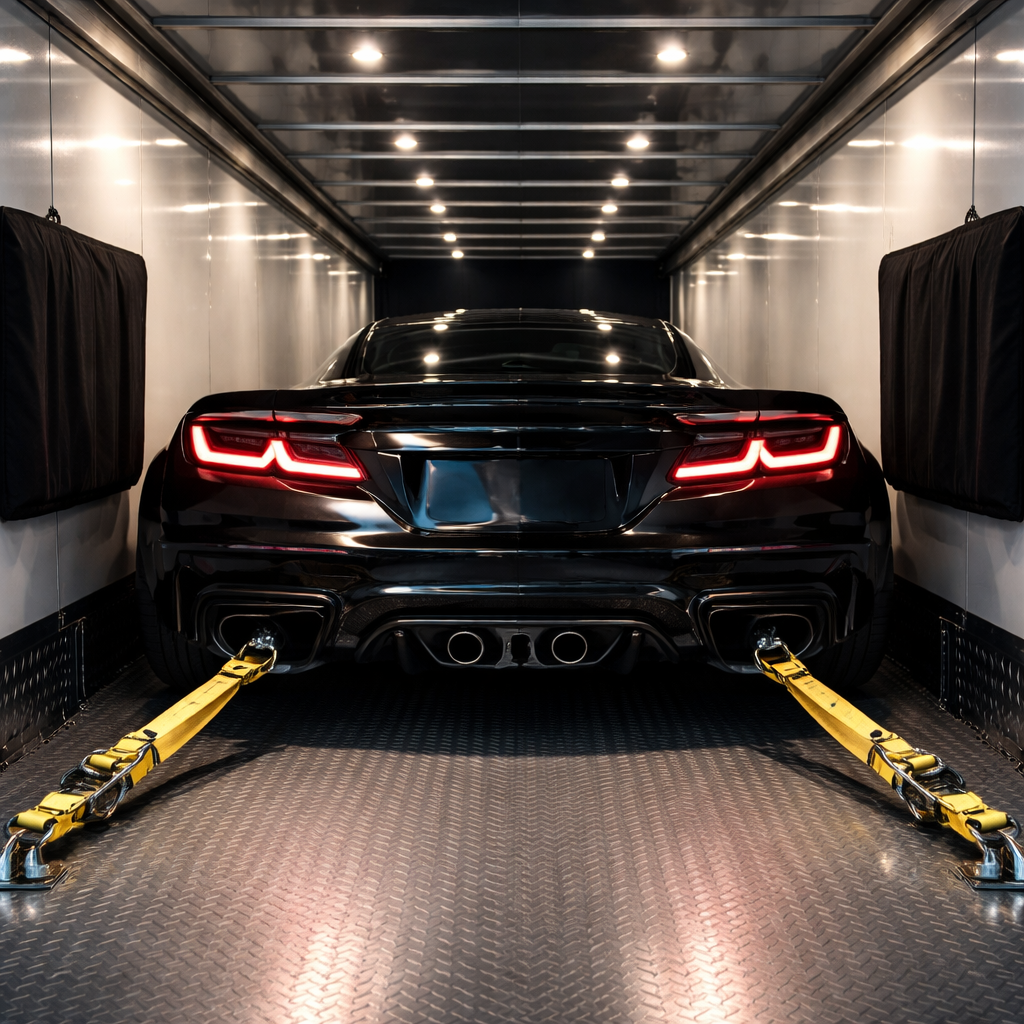
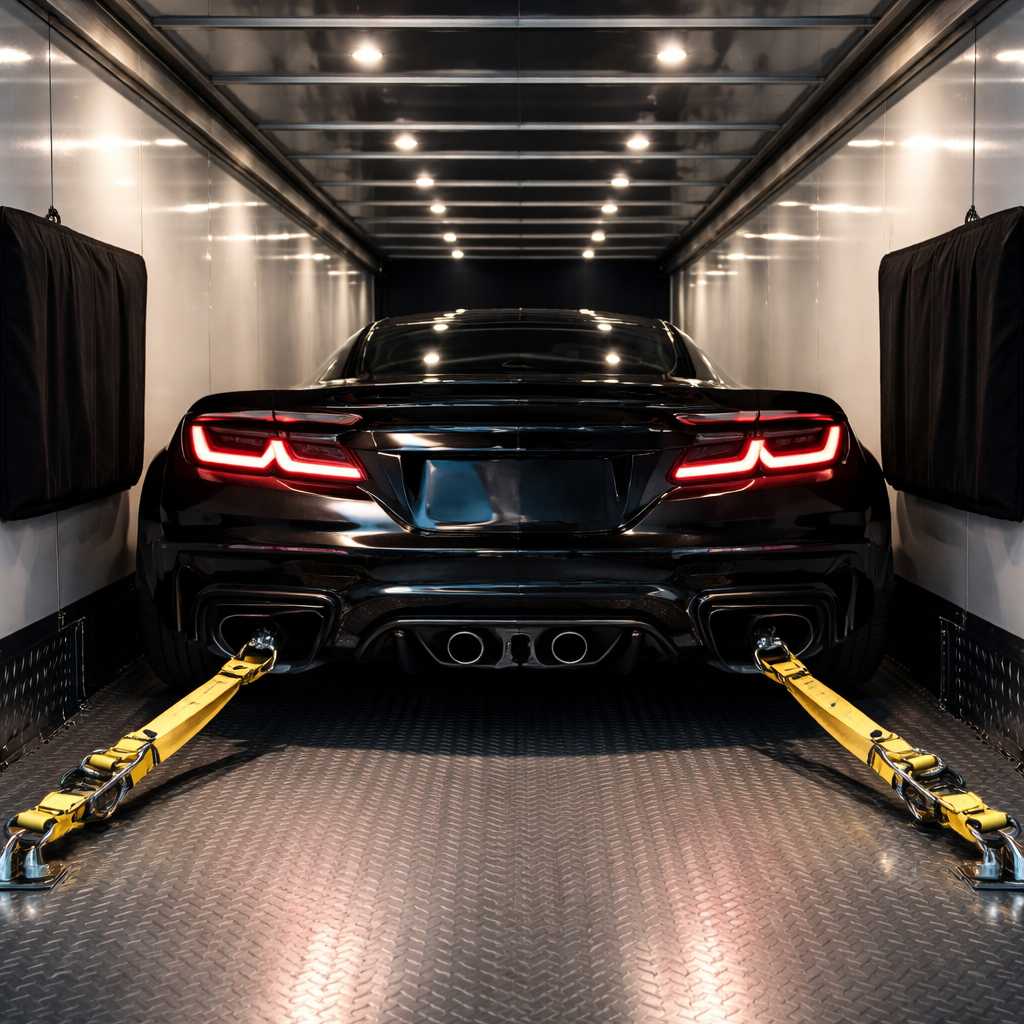
Classic cars need enclosed trailers, soft ties, lift gates and agreed value coverage. What to specify before a collector vehicle goes on a truck.

Open, enclosed, door-to-door, terminal-to-terminal, expedited and multi-car. What each method costs, how long it takes, and which fits your vehicle.

Where auto transport money is actually saved: flexible dates, open carriers, corridor pickup points and booking outside peak season, with trade-offs.

Ice, hurricanes and wind advisories all delay car shipping. Which corridors are worst, how much time to build in, and how carriers plan around weather.

Quote, booking, dispatch, pickup inspection, transit, delivery, payment. Each step of the auto transport process and what is expected of you.

Air freight moves a car in days instead of weeks and costs several times more. When it is genuinely worth it, and the cheaper options to check first.

Winter salt, summer heat and hurricane season each change how you prepare a car for transport. Season-by-season prep before the truck arrives.

On a long move, shipping the car often beats driving it once you count fuel, hotels and days off work. How to fit auto transport into a relocation.

Booking, dispatch, the driver's call, inspection, transit, delivery. What happens at each stage of car shipping and how long each one actually takes.

Car shipping is priced per mile, but the rate per mile falls as distance rises. How carriers price a lane and why two quotes differ by hundreds.

Coast-to-coast car shipping runs 7-14 days and $1,000-$1,700 on an open carrier. How to time it, what to expect in transit, and where the cost comes from.

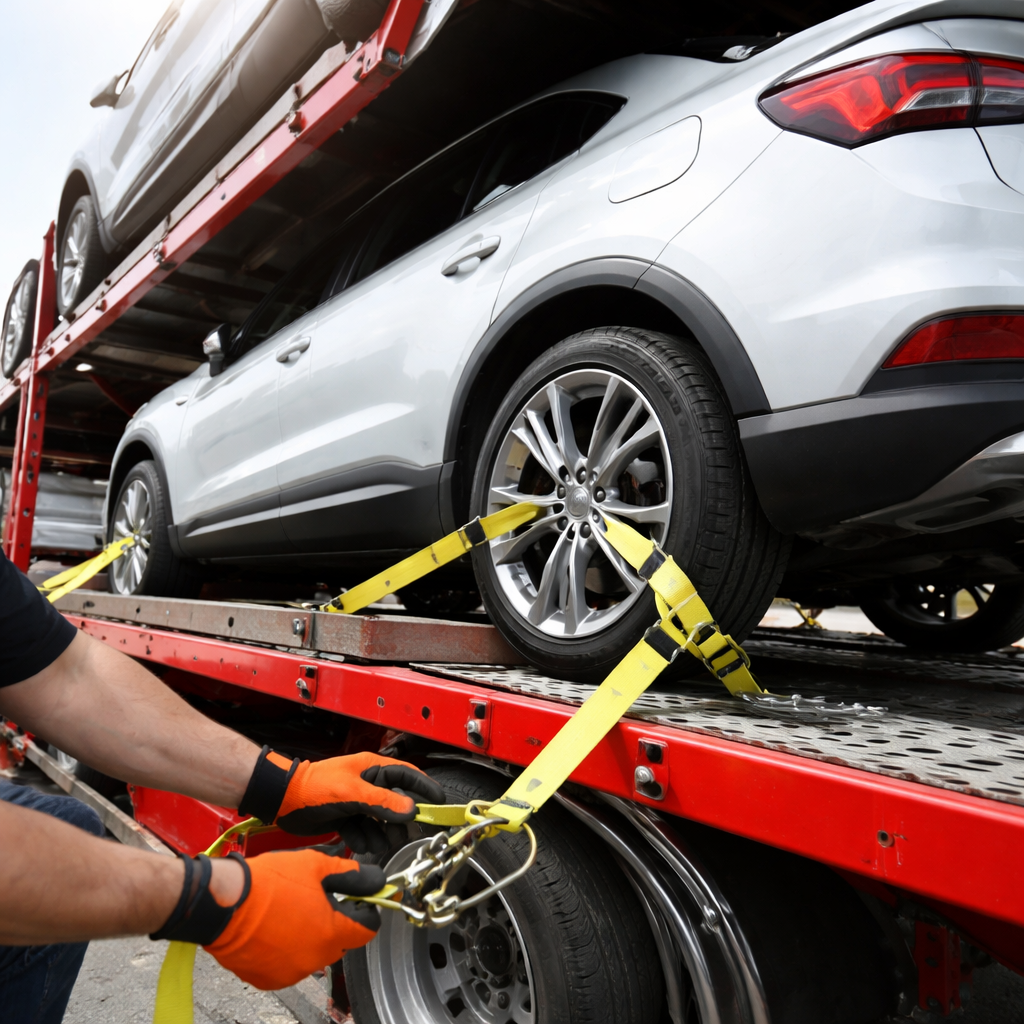
How to prepare your car for transport: wash and photograph it, leave a quarter tank, remove personal items, and get existing damage on the Bill of Lading.

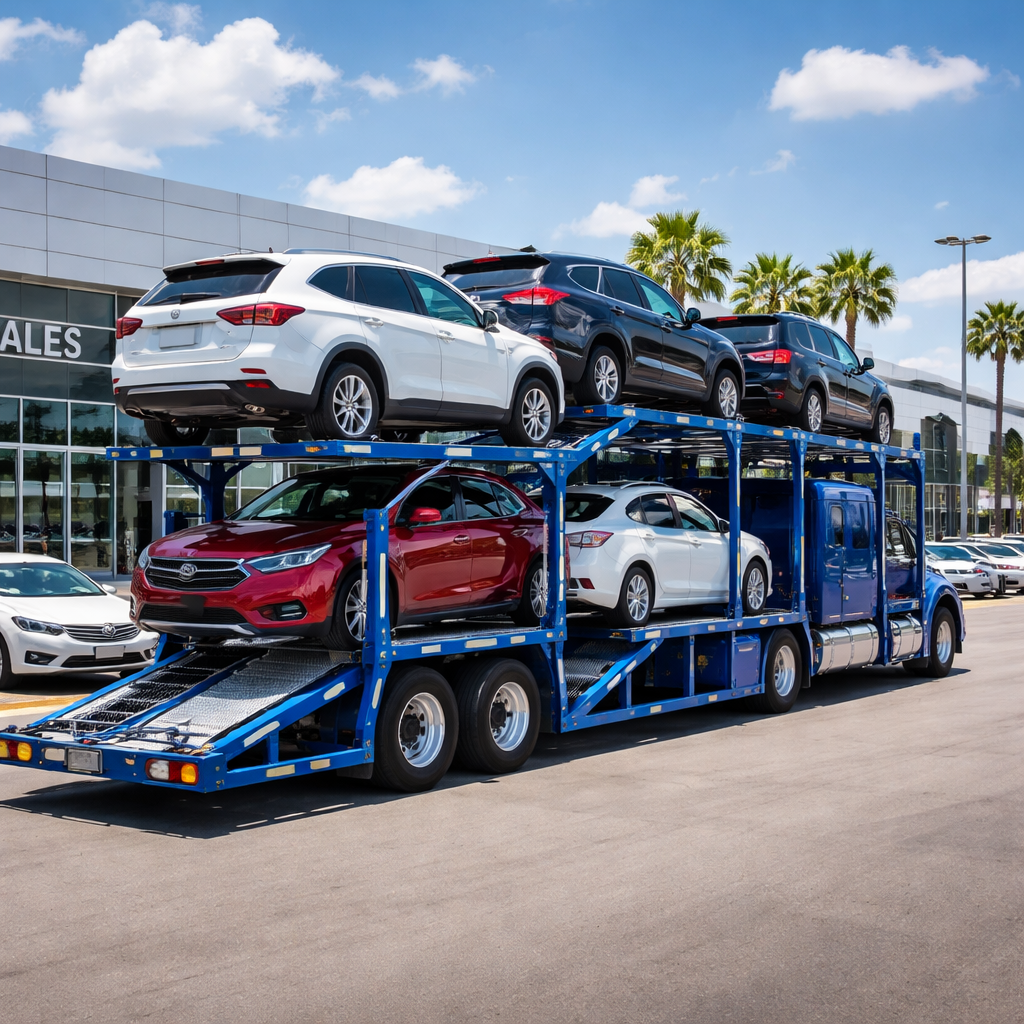
One car hauler moves up to ten vehicles on the fuel a single cross-country drive burns. The emissions maths of shipping versus driving it yourself.

Flexible dates, terminal drop-off, open transport and off-peak months are where the savings are. Ways to cut a car shipping bill without adding risk.

Wash it, photograph it, leave a quarter tank, pull the toll tag, empty it. The pickup-day checklist that protects you if damage is disputed later.

Avoid common pitfalls when shipping your vehicle. Learn key mistakes to steer clear of for a hassle-free auto transport experience.

Navigate the auto transport process with ease! Discover each step involved in shipping your vehicle, from booking to delivery.

What it costs to ship a classic car, how to prep it, when enclosed transport is worth the premium, and how to vet a carrier before you hand over the keys.

Navigating auto transport as a student? Discover tips, costs, and essential info to ensure a smooth vehicle shipping experience during your studies!

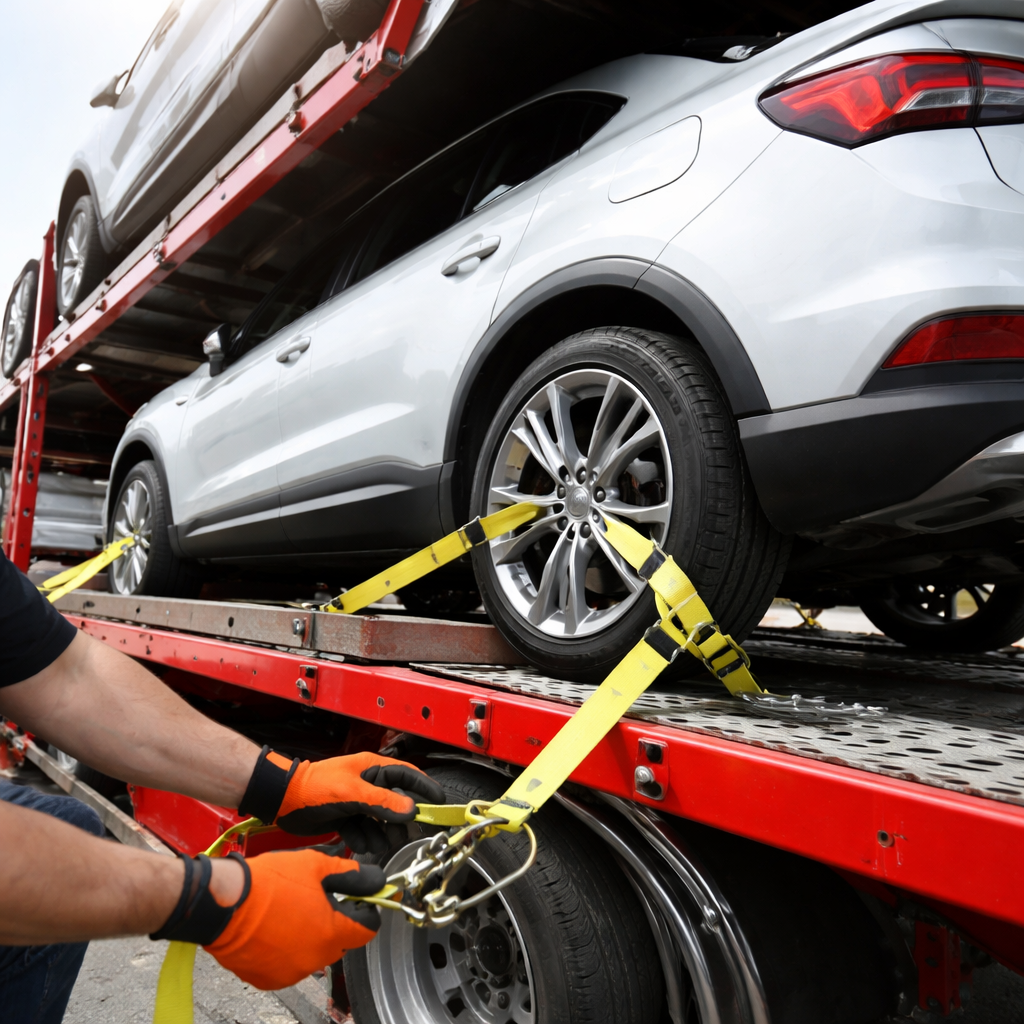
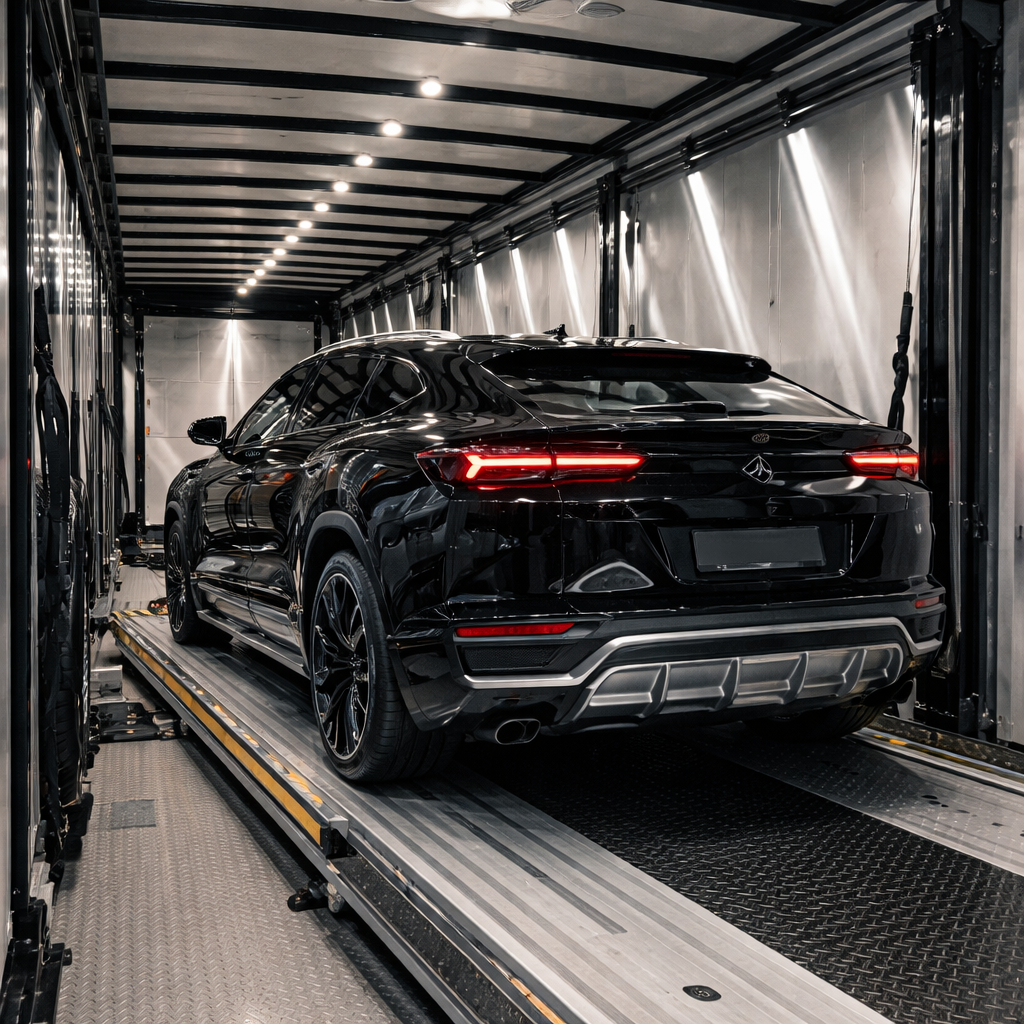
Low clearance, soft-tie straps, enclosed trailers and agreed value coverage: what shipping a high-value car needs that open transport will not give.

Most car haulers do not offer live GPS. What tracking you actually get, how often the driver checks in, and what to ask for before your car is loaded.

Door-to-door means the driver gets as close as a 75-foot truck legally can, not always your driveway. What it includes, what it costs, how pickup works.

The vanishing deposit, the quote that doubles at pickup, the carrier with no USDOT number. The auto transport scams that recur, and how to spot them.

Container versus roll-on/roll-off, customs paperwork, port fees and timelines. What shipping a car overseas requires before it leaves the US.

A loaded car hauler moves ten vehicles on one engine. How that compares with ten separate drives, and where auto transport's footprint actually sits.

Most car shipping problems trace to three things: a vague pickup window, an unprepared vehicle and a missing inspection record. How to avoid all three.

What a car shipping quote is built from: distance, vehicle size, carrier type, season and how far you sit off the corridor. Broken down line by line.

How to tell a reliable car shipping company from a lead reseller: the licence numbers to check, the questions to ask, and the quotes to walk away from.

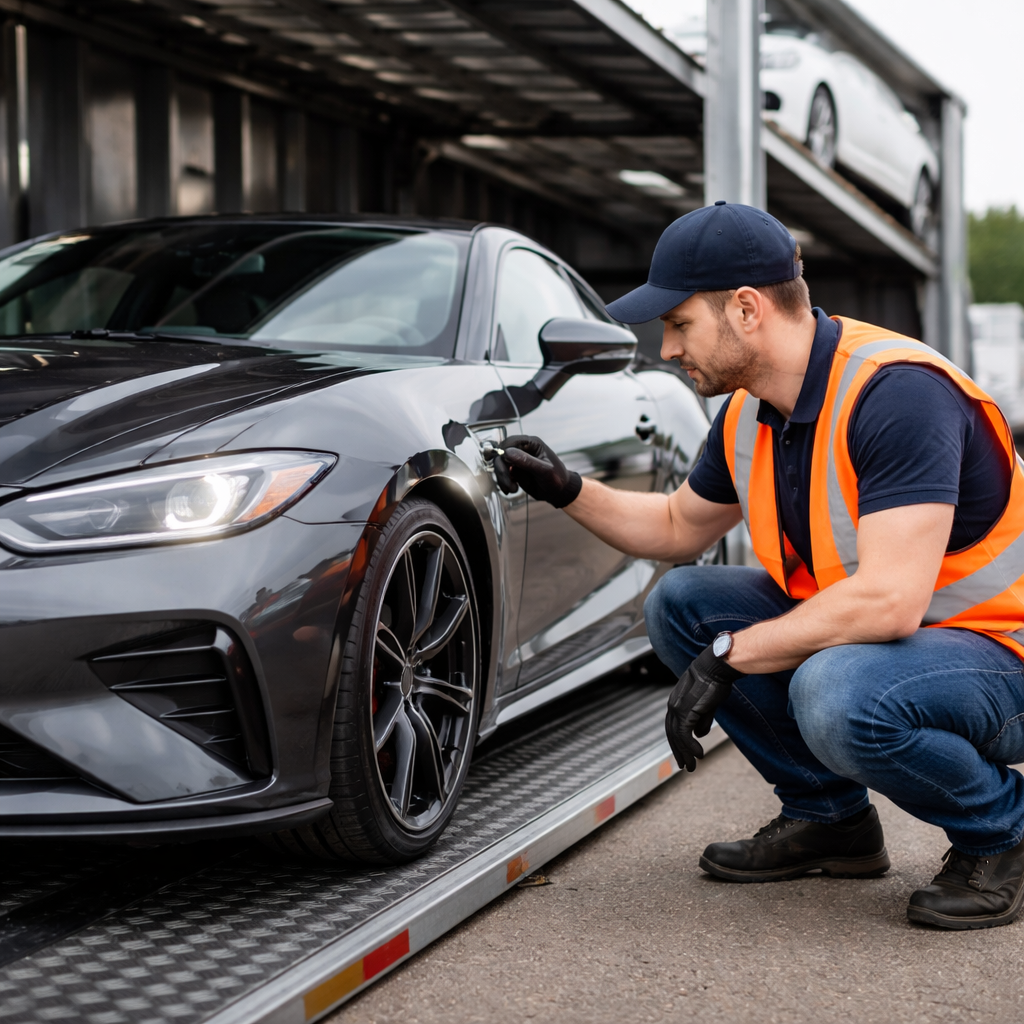
The Bill of Lading inspection is the only record of your car's condition before loading. What the driver checks and what you should photograph yourself.

Enclosed transport costs 30-50% more than open. What it actually protects against, what it costs, and which vehicles justify the premium.

From booking to delivery step by step: how dispatch works, when the driver calls, what happens at inspection, and how long each stage really takes.

Shipping a car cross-country burns less fuel per vehicle than driving it, once you count a hauler's ten-car load. The comparison, with the caveats.

Ten things that move a car shipping quote up or down, from vehicle height and running condition to pickup season and distance off the carrier route.

Wondering about auto transport? Here are the top 5 questions to ask your vehicle shipping company to ensure a smooth and reliable service.

Open car shipping costs 30-50% less; enclosed adds protection for high-value cars. Compare real price ranges, transit times, insurance, and who needs which.
Where to buy a used car online: the marketplaces worth your time, what each does well, and how to get the car home once you have bought it.
Verify the USDOT number, read the insurance certificate, photograph everything, and never pay a large deposit up front. How to ship a car safely.
From Sturgis to Daytona, discover the top motorcycle rallies happening in 2025 and learn how to get your bike there hassle-free.
Most car shipping companies are brokers, not carriers, and that is not a problem by itself. What a broker actually does and how to tell a good one.
Terminal-to-terminal is cheaper than door-to-door but adds a drive and storage fees. When it saves money, when it costs more, and how handover works.
Shipping a car across the country costs $1,000-$1,800 open or $1,600-$2,600 enclosed, and takes 7-10 days. See real lane prices and what moves your quote.
Shipping a car to Hawaii: cost ranges, transit times, the paperwork you need, how port drop-off works, and the agricultural inspection that trips people up.

The military ships one POV overseas but rarely within CONUS. Here's what PCS orders cover, real cost and transit ranges, and how to ship a second vehicle.