
Understanding Weather Impacts on Auto Transport
Shipping a vehicle can seem straightforward, but weather plays a significant role in the auto transport process. From snow and ice to heavy rain and extreme heat, various weather conditions can affect not only the timing of your vehicle's journey but also its safety. In this post, we’ll explore how different weather events impact auto transport and what you can do to prepare your vehicle for shipping no matter the forecast.
1. Cold Weather Challenges
When temperatures drop, transport conditions can become hazardous. Snow and ice can make roads slippery, leading to delays in transport time. Here are several considerations for shipping your vehicle in colder climates:
- Verify Shipping Schedules: During winter months, truckers may adjust their routes to avoid hazardous conditions. Always check with your transport company for any schedule changes.
- Prepare Your Vehicle: Make sure your vehicle is winter-ready. Check the antifreeze levels and battery strength to prevent any failures during transport.
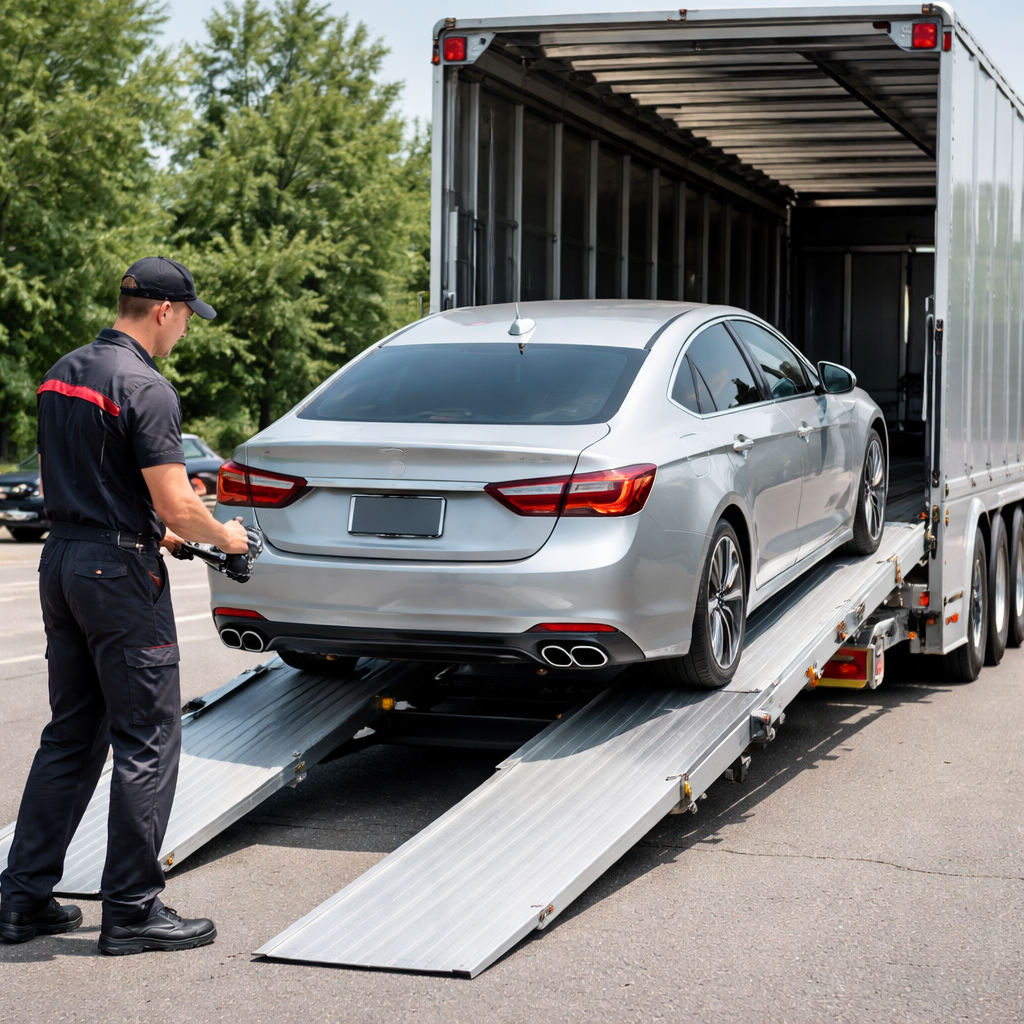
- Use an Enclosed Carrier: If you’re shipping a luxury or classic car, consider using an enclosed carrier to protect it from ice and snow.
2. Rain and Flooding Considerations
Heavy rain can pose risks such as flooding, road washouts, and decreased visibility. When shipping during rainy seasons, keep these tips in mind:
- Stay Informed: Monitor weather forecasts in both your pickup and delivery locations. This will help you anticipate any potential delays or transportation hazards.
- Inspect for Water Damage: Before shipping your vehicle, ensure it’s in good condition. Document any pre-existing issues, as water damage can occur if shipping delays happen due to severe storms.
3. Heat and Sun Exposure
While some may think of sunny days as ideal for transport, extreme heat can also be detrimental:
- Monitor Your Vehicle’s Fluids: High temperatures can cause fluids to evaporate quickly. Make sure your car’s fluid levels are topped off before transport.
- Consider UV Protection: If shipping during the summer, especially with an open carrier, consider using a vehicle cover to protect against UV rays.
4. Natural Disasters
Severe weather events such as hurricanes, tornadoes, or wildfires can completely disrupt transport schedules:
- Plan Ahead: During hurricane seasons, be aware of evacuation routes and potential delays. Collaborate with your transport company for alternate plans.
- Insurance Consideration: Ensure you have comprehensive insurance coverage that considers potential damage from natural disasters.
Tips for Preparing for Auto Transport During Various Weather Conditions
Regardless of the weather, these general tips can help ensure your vehicle is prepared for transport:
- Clean Your Vehicle: A thorough cleaning allows you to accurately inspect for any pre-existing damage.
- Secure Loose Parts: Ensure that any loose items inside or outside the vehicle are secured to avoid damage during transport.
- Remove Personal Belongings: Most transport companies advise against shipping personal items in your car. Remove them to avoid loss or damage.
Conclusion
Understanding how weather affects auto transport can help you make informed decisions, ensuring your vehicle arrives safely and on time. Regardless of the season or climate, staying informed and preparing your vehicle adequately will mitigate risks associated with weather disruptions. Whether you're shipping during sunny summer days or chilly winter nights, be proactive in securing the safe transport of your vehicle.