
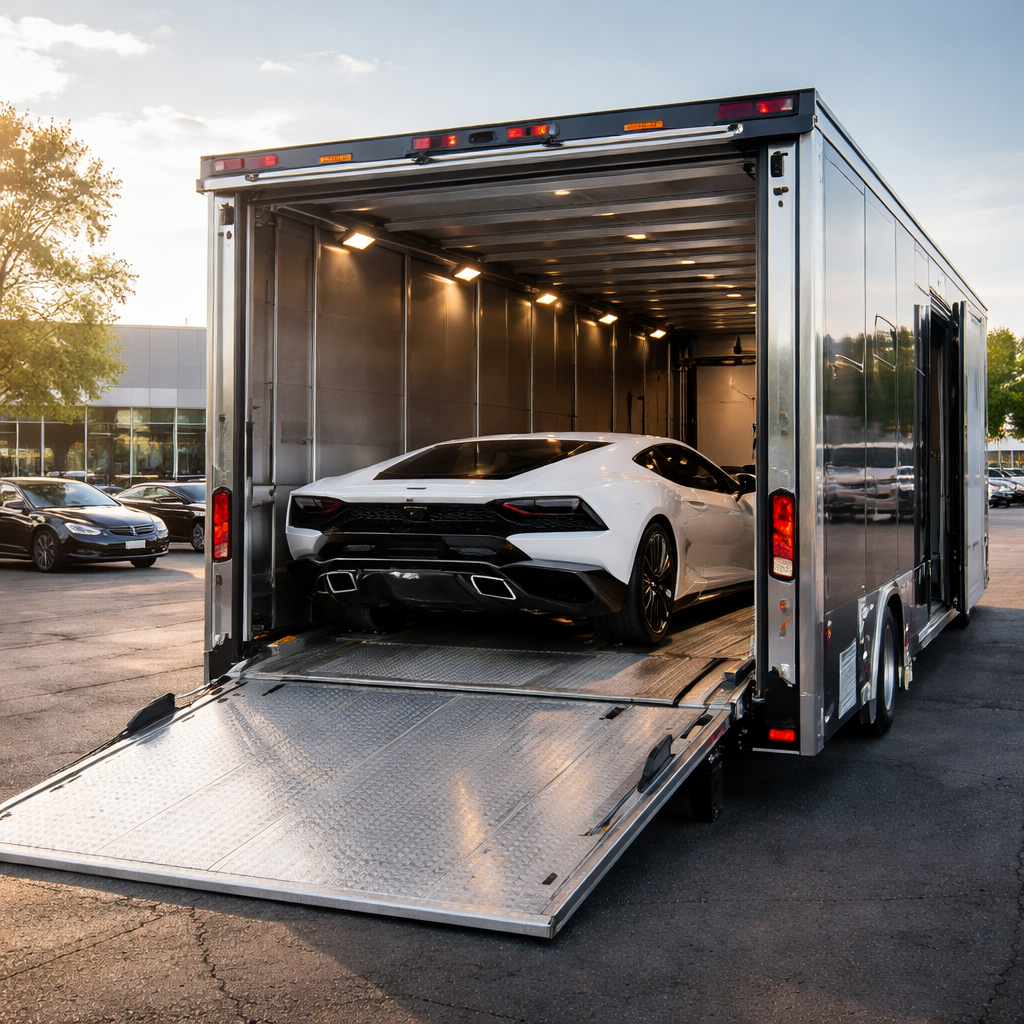
Understanding Enclosed vs Open Auto Transport Options
When it comes to shipping your vehicle, one of the most critical decisions you'll face is choosing between enclosed and open auto transport. Each method comes with its own set of advantages and considerations. This blog post aims to clarify the differences, helping you make an informed decision that caters to your vehicle's unique needs.
What is Open Auto Transport?
Open auto transport is the most common and cost-effective way to ship a vehicle. Cars are loaded onto a transporter that is open to the elements, typically a truck with multiple levels of car haulers. It's an ideal choice for standard vehicles and offers a reliable way to transport cars across long distances.
Advantages of Open Auto Transport
- Cost-Effective: Open transport is generally less expensive than enclosed transport, making it a budget-friendly option for many car owners.
- Availability: Due to high demand, open transport carriers are more abundant, which often results in quicker pickups and deliveries.
- Efficiency: Open transport allows for faster loading and unloading of vehicles, reducing the overall shipping time.
Disadvantages of Open Auto Transport
- Exposure to Elements: Because the vehicles are not covered, they are exposed to weather conditions such as rain, snow, wind, and dust. This can potentially lead to damage or wear.
- Less Protection: In case of road debris or other unforeseen accidents, vehicles shipped via open transport may be more susceptible to scratches or dings.
What is Enclosed Auto Transport?
Enclosed auto transport, on the other hand, provides a protective environment for your vehicle. Cars are loaded into a fully enclosed trailer, shielding them from environmental factors and road debris.
Advantages of Enclosed Auto Transport
- Maximum Protection: Enclosed transport offers the highest level of protection against weather, road debris, and potential impacts during transit.
- Ideal for Luxury and Classic Cars: If you own a high-value vehicle, such as a classic car or luxury brand, enclosed transport is generally the safest choice.
- Secure Transport: Enclosed trailers provide enhanced security against theft or vandalism, ensuring peace of mind during shipping.
Disadvantages of Enclosed Auto Transport
- Higher Cost: Enclosed transport tends to be more expensive due to the additional level of protection and care provided.
- Less Availability: Since there are fewer enclosed transport options available, it may take longer to schedule a pickup or delivery.
Which Option is Right for You?
The best choice between open and enclosed auto transport depends on your vehicle's value, your budget, and your shipping timeline. Here are some considerations to help you decide:
- If you own a standard vehicle that isn’t highly valuable or sensitive to wear, open transport may be the ideal choice due to its cost-effectiveness.
- For luxury, antique, or high-value vehicles, opting for enclosed transport ensures maximum protection and peace of mind during transit.
- Consider your timeline: If you're in a rush and budget is a concern, look for open transport options to expedite the process.
Conclusion
Understanding the key differences between enclosed and open auto transport is essential for making the best choice for your vehicle shipping needs. Assess your vehicle's value, your budget, and how quickly you need your car transported. By weighing these factors, you can confidently select the right transport method that aligns with your needs and ensures your vehicle's safe arrival.