
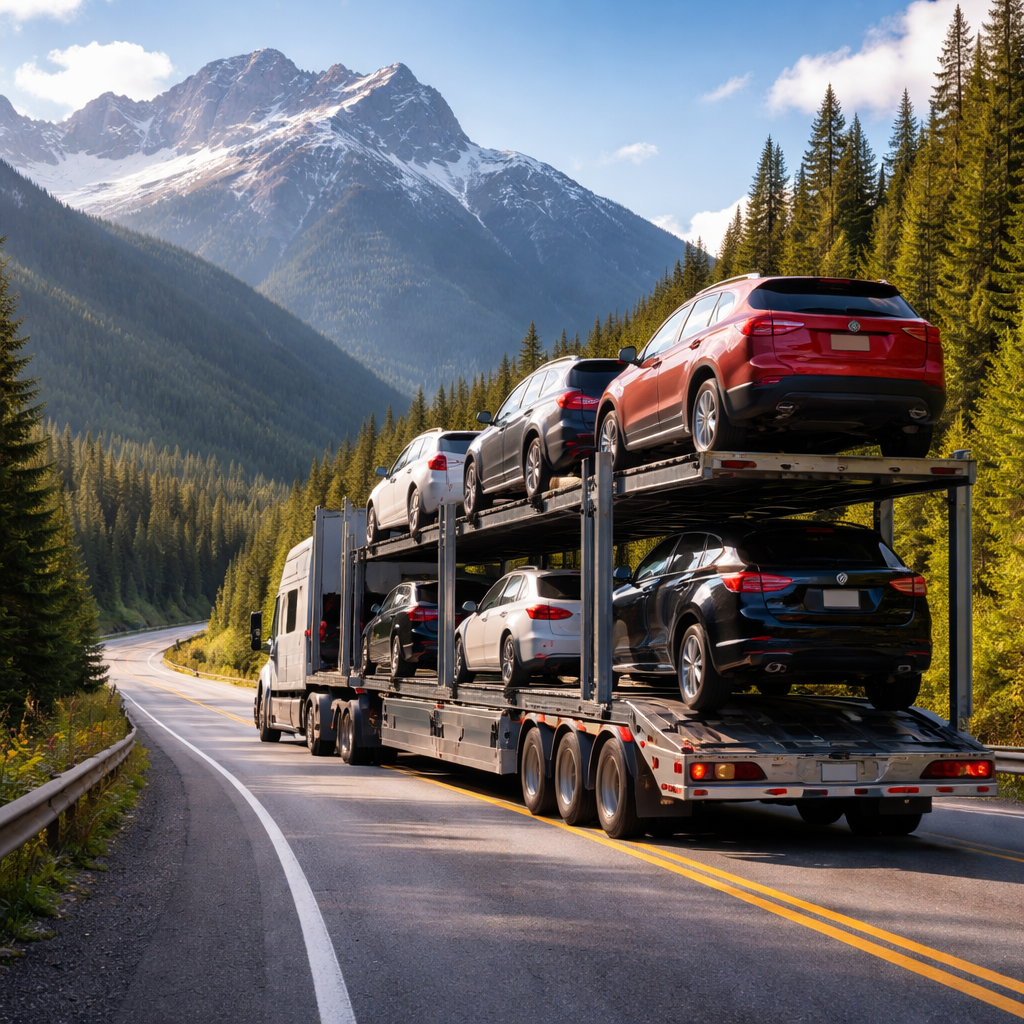
To prepare your car for transport, do six things before the truck arrives: wash the exterior so existing damage is visible, photograph every panel and the odometer, remove all personal belongings and toll transponders, leave the tank at about a quarter full, make sure the battery is charged and the tires are properly inflated, and disable the alarm. Then inspect the car with the driver and get the damage noted on the Bill of Lading before you sign it. The whole process takes about 45 minutes, and the photo-and-paperwork half is the part that actually protects you.
Most shipping problems trace back to one thing: nobody could prove what the car looked like when it was loaded.
The pre-pickup checklist
- Wash the exterior and clear out the interior.
- Photograph all four corners, the roof, each wheel, the odometer, and any existing damage, with the date visible.
- Remove personal items, toll transponders, parking passes, and anything loose in the cabin.
- Drop the fuel to roughly a quarter tank.
- Check battery charge, tire pressure, and fluid levels; fix active leaks.
- Fold in mirrors, retract or remove the antenna, remove roof racks and bike carriers.
- Disable the alarm, or write the disarm instructions down for the driver.
- Hand over one key and keep your spare.
- Walk the car with the driver and review the Bill of Lading line by line.
Wash the car, then document it
A dirty car hides scratches, chips, and dings, so the condition report signed at pickup is inaccurate and a genuine claim at delivery becomes nearly impossible to win. Wash it the day before, or the morning of, and let it dry.
Then take photos in daylight: all four corners at an angle, straight-on shots of each door, the hood, roof, trunk, bumpers, each wheel, the windshield, and the odometer. Photograph existing damage close up. Repeat the walk-around at delivery before you sign. Timestamped before-and-after photos plus a signed condition report are the entire evidence package for a damage claim, and carriers settle on that evidence, not on descriptions.
Empty the car out
Auto transport carriers are licensed by the Federal Motor Carrier Safety Administration to haul vehicles, not household goods, and their cargo insurance covers the vehicle itself, not what is inside it. Many carriers tolerate a small amount of personal property, commonly up to about 100 pounds, kept in the trunk and below the window line. Confirm the limit with your carrier rather than assuming it.
Whatever you leave inside is uninsured. Remove electronics, garage door openers, spare change, and child seats. Take out the E-ZPass, FasTrak, or other toll transponder and any parking or gate pass: a transponder left on the windshield can quietly collect tolls the entire route while your car sits on a truck.
Leave about a quarter tank of fuel
Gasoline weighs a little over six pounds per gallon, so a full 20-gallon tank adds roughly 120 pounds. Multiply that by the seven to ten cars on a standard open trailer and it becomes real weight against the federal 80,000-pound gross limit for trucks on the Interstate System. A quarter tank is enough to load, unload, and reach a gas station after delivery.
Electric vehicles follow the same logic: charge to roughly 40 to 50 percent, which covers loading, unloading, and finding a charger after delivery without sitting at a high state of charge for a week.
Make the car easy to load
The driver has to start your car, drive it up a steep ramp, and park it within inches of another vehicle. Anything that makes that harder slows the load down or gets your car refused.
- Battery: it must hold a charge and start reliably. If the car has been parked for weeks, drive it or put it on a tender first.
- Tires: inflate to the pressure on the driver's door jamb sticker. Soft tires flex under strap tension and can go flat over a multi-day haul.
- Fluids and leaks: top off oil and coolant. Report any leak when you book. Leaking vehicles drip onto the car below them, so carriers either refuse them or assign them to the bottom deck.
- Brakes and parking brake: both need to work, since the car is secured with the parking brake set.
- Mechanical problems: disclose them at booking. A car that will not start is billed as inoperable and needs a winch, which typically adds roughly $100 to $200 and limits which trucks can take it. Finding out at pickup means a rescheduled load.
Secure anything that sticks out
Fold in the mirrors. Retract or unscrew the antenna. Remove roof racks, cargo boxes, bike and ski carriers, and loose trim, and secure aftermarket spoilers. Close the windows fully, latch the sunroof, and on a convertible make sure the top is up, latched, and sealing, because road grit and rain move at highway speed on an open trailer.
Tell your coordinator about lift kits, oversized tires, or a roof rack you cannot remove, because extra height or width changes how many cars fit on the trailer and therefore what the move costs. Low clearance is the mirror problem: under about four inches, standard ramps scrape and the car needs a liftgate or extended ramps. That is one of the clearest reasons to choose enclosed transport for low-clearance and high-value vehicles.
Alarms, keys, and the paperwork
Disable the alarm. An alarm that triggers at three in the morning at a truck stop, in a vehicle the driver cannot easily reach, is a real problem; if it cannot be fully disabled, write the disarm sequence down for the driver. Give the driver one working key for the ignition, doors, and trunk, and keep your spare.
The Bill of Lading is the legal document for the shipment and doubles as the condition report. At pickup, walk the car with the driver, confirm every existing scratch and dent is marked on the diagram, and only then sign. At delivery, inspect before you sign and before the driver leaves; if you find new damage, write it on the delivery copy and photograph it on the spot, because a signed clean delivery receipt is very hard to argue with later. If delivery lands after dark, use a flashlight and note in writing that the inspection was done in low light.
What it costs and how long it takes
Open transport, the standard choice for the large majority of shipments, generally runs between $0.40 and $1.50 per mile. Short moves sit at the high end per mile and long hauls at the low end, so a 500-mile trip often lands around $400 to $700 while a coast-to-coast move typically falls between roughly $900 and $1,600. Enclosed transport usually costs about 30 to 60 percent more. Price moves with vehicle size and weight, whether the car runs, how far pickup and delivery sit from major highways, how fast you need it, and the season, since snowbird routes into Florida and Arizona tighten each autumn. Compare your route on our popular auto transport routes page, or get a real number with a free car shipping quote.
Transit time follows federal hours-of-service limits, which cap a driver at 11 driving hours within a 14-hour window. In practice a loaded truck covers about 400 to 500 miles a day. Expect 1 to 2 days under 500 miles, 2 to 4 days for 500 to 1,000 miles, 3 to 5 days for 1,000 to 1,500 miles, and 7 to 10 days coast to coast, plus a pickup window of 1 to 5 days after booking.
Frequently asked questions
How much gas should be in the car for transport?
About a quarter tank. That is enough for the driver to load and unload the car and for you to reach a gas station after delivery, without adding weight to a trailer already working against an 80,000-pound federal limit. Electric vehicles should arrive at roughly 40 to 50 percent charge.
Can I leave personal items in my car during transport?
Sometimes, but never valuables. Auto carriers are licensed to move vehicles, not household goods, and cargo insurance covers the vehicle only. Many carriers allow up to about 100 pounds in the trunk, below the window line, if you clear it in advance. Anything you leave inside travels uninsured.
Should I wash my car before shipping it?
Yes, and it is one of the few prep steps that directly protects you. A clean car lets you and the driver record existing damage accurately on the Bill of Lading and produces photos that actually show the paint. Skip the wash and any pre-existing chip becomes indistinguishable from transport damage.
What happens if my car is damaged during transport?
Note the damage on the delivery copy of the Bill of Lading before the driver leaves, photograph it immediately, and file a claim against the carrier's cargo insurance. That is why the pickup photos and the signed pickup condition report matter so much: they establish what the car looked like before it was loaded.
Shipping with Olympic Auto Transport
Olympic Auto Transport has been arranging vehicle shipments for more than 15 years. We are licensed and bonded, cargo insurance is included on every move, and we run both open and enclosed carriers. Our door-to-door auto transport service means the driver picks up and delivers as close to your address as the truck can legally and safely get, so your prep work ends in your own driveway. Verify any carrier you consider, including us, by checking its MC or DOT number in the FMCSA's public SAFER database before booking.