
Understanding Auto Transport Terminology
Navigating the auto transport industry can be daunting, especially for first-time customers. Familiarizing yourself with key terminology can help you make informed decisions and improve your overall shipping experience. In this blog post, we will explore essential terms associated with vehicle shipping, providing you with a clearer understanding of this industry.
1. Auto Transport Carrier
An auto transport carrier is the company or individual responsible for transporting your vehicle. They can operate in various ways, such as via open or enclosed transport trailers. When choosing a carrier, consider their reputation, experience, and reviews to ensure a reliable service.
2. Open vs. Enclosed Transport
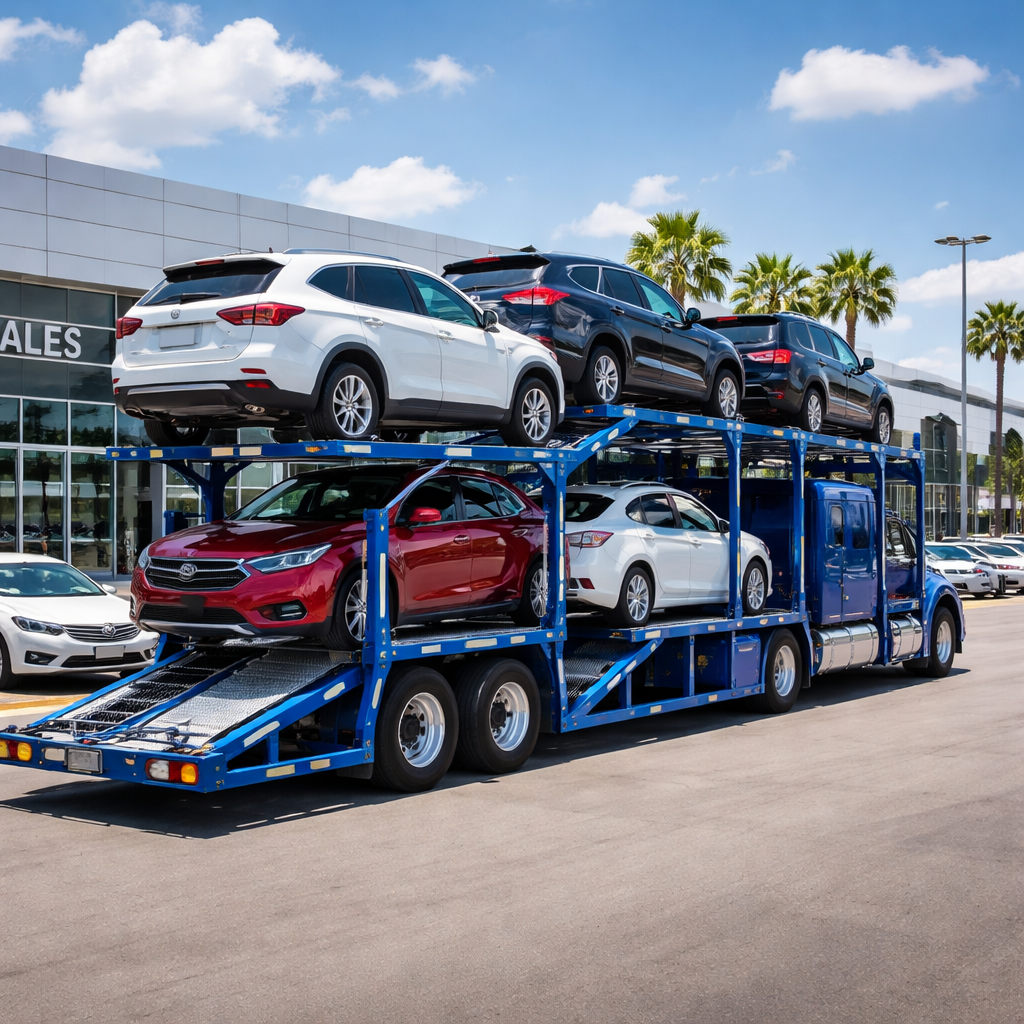
Two primary methods of vehicle shipping are open and enclosed transport. Open transport means your vehicle will be loaded onto an open trailer, while enclosed transport utilizes a covered trailer, offering more protection. Knowing the differences can help you choose the right method for your vehicle type and budget.
3. Bill of Lading
The bill of lading is a crucial document in the auto transport process. It serves as a contract between you and the carrier, detailing the condition of the vehicle before transport and confirming the shipping terms. Always review it carefully before signing to prevent any misunderstandings during the transport process.
4. Pickup and Delivery Window
The pickup and delivery window refers to the estimated timeframe when your vehicle will be collected and delivered. This window may vary depending on factors like the distance, route, and season. Understanding this timeline can help you plan accordingly and reduce anxiety during the shipping process.
5. Terminal to Terminal vs. Door to Door Service
When arranging auto transport, you'll encounter two main service types: terminal to terminal and door to door. Terminal to terminal service means you drop off your vehicle at a designated terminal, where it will be stored until it reaches the destination terminal. Conversely, door to door service entails the carrier picking up and delivering your vehicle directly at your location, making it more convenient but often coming at a higher cost.
6. Vehicle Condition Report
This report is an essential part of the vehicle shipping process. A carrier or driver will document your vehicle's condition before shipping, noting any existing damages. Reviewing and agreeing to the report ensures accountability and helps in the event of any disputes over damages encountered during transport.
7. Transit Time
Transit time is the duration it takes for your vehicle to be transported from the pickup location to the delivery destination. Several factors influence transit time, including distance, route conditions, and weather. Being aware of these factors can help you set realistic expectations for delivery.
8. Vehicle Transport Insurance
Most transport companies provide some level of insurance for your vehicle during shipping. This insurance helps cover the costs associated with damages, theft, or accidents that may occur. Understanding the terms of the transport insurance is crucial to ensure adequate protection for your vehicle.
9. Cost Factors
The cost of auto transport can vary significantly based on several factors, including vehicle size, transport method, distance, and seasonal demand. Familiarizing yourself with these factors can help you budget effectively and explore potential cost-saving options.
10. The Role of Freight Brokers
Freight brokers act as intermediaries between the customer and auto transport companies. They help find suitable carriers for your vehicle, negotiate prices, and manage logistics. While they may charge a fee for their services, brokers can save you time and provide access to a greater range of carriers.
Conclusion
Understanding the terminology used in the auto transport industry can greatly enhance your vehicle shipping experience. Equipped with this knowledge, you’ll be better prepared to navigate your auto transport journey, ensuring a smoother process and greater peace of mind. If you have any questions about vehicle shipping or need a quote, contact Olympic Auto Transport today!