
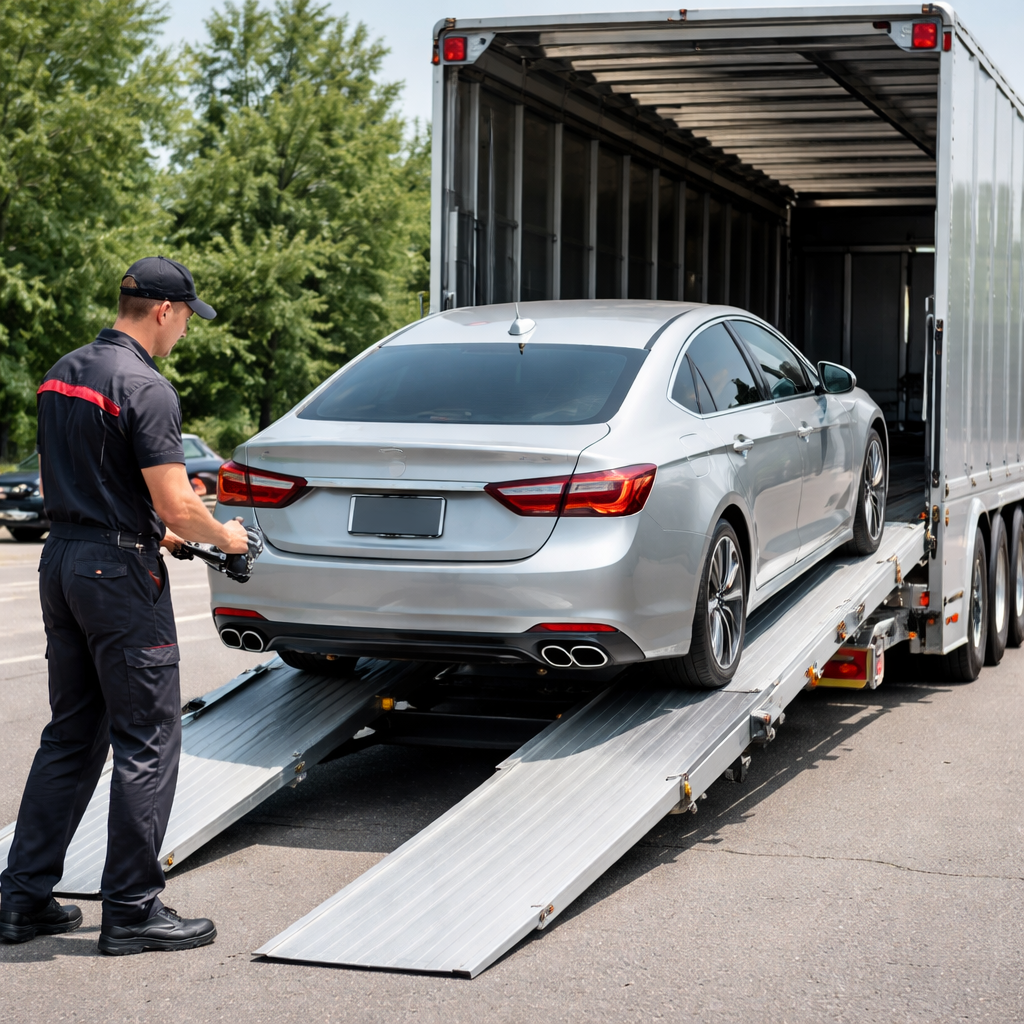
Understanding Seasonal Vehicle Shipping
Many vehicle owners find themselves needing to ship their cars at different times of the year, whether for a seasonal relocation, a new job, or for vacations. Understanding the nuances of seasonal vehicle shipping can help you save both time and money while ensuring the safe transport of your beloved vehicle. In this article, we’ll explore key considerations and practical tips for successfully shipping your vehicle during peak seasons.
Why Timing Matters in Auto Transport
Your vehicle shipping experience can vary significantly depending on the season. Factors such as weather conditions, demand for transportation, and holiday schedules can all impact your shipping process. Recognizing these elements can allow you to better prepare for your vehicle's transport.
Peak Seasons for Vehicle Shipping
- Summer: Most people relocate or plan vacations during the summer months. This is a peak season for auto transport companies, leading to higher demand and potentially longer wait times.
- Winter: Snowbird season sees many individuals traveling south. Shipping your vehicle to warm climates can be popular during this time, increasing demand once again.
- Holidays: January and December often see a spike in shipments related to the New Year and holiday relocations, which may affect availability and pricing.
Tips for Seasonal Vehicle Shipping
To ensure a smooth auto transport experience, consider the following tips:
1. Book Early
During peak seasons, the demand for auto transport services increases. To secure a spot, it’s best to book your shipment well in advance. Aim for at least two to three weeks prior to your intended shipping date. This will help you avoid rush fees and ensure your vehicle is transported on your timeline.
2. Plan for Weather Conditions
Weather can have significant effects on vehicle shipping. In winter, icy roads or snowstorms can lead to delays. Keep an eye on the weather forecast and discuss any potential weather-related issues with your auto transport provider. If possible, choose enclosed transport during harsher seasons to minimize exposure to the elements.
3. Understand Pricing Fluctuations
Be aware that shipping costs can fluctuate based on seasonal demand. Prices are generally higher during peak seasons. Research multiple auto transport companies, compare quotes, and read reviews. Understanding the market rates during peak times will help you negotiate better rates.
4. Prepare Your Vehicle Wisely
Preparation is vital to a safe and smooth transport. Ensure your vehicle is in good condition before shipping—check tire pressure, battery levels, and fluid levels. Remove personal items and secure loose parts. Additionally, consider taking pictures of your vehicle to document its condition prior to shipping.
5. Communication is Key
Stay in contact with your auto transport company. Early communication serves to clarify expectations and allows you to discuss specific needs, like dates, pickup locations, and vehicle conditions. The more information you provide, the better they can assist you in achieving a successful shipment.
Conclusion
Shipping your vehicle during peak seasons doesn’t have to be a stressful experience. By planning ahead, being aware of market conditions, and keeping communication open with your auto transport provider, you can navigate seasonal vehicle shipping with ease. Whether you are relocating for the winter or sending your car across the country for summer adventures, these tips will help ensure that your vehicle arrives safely and on time.