
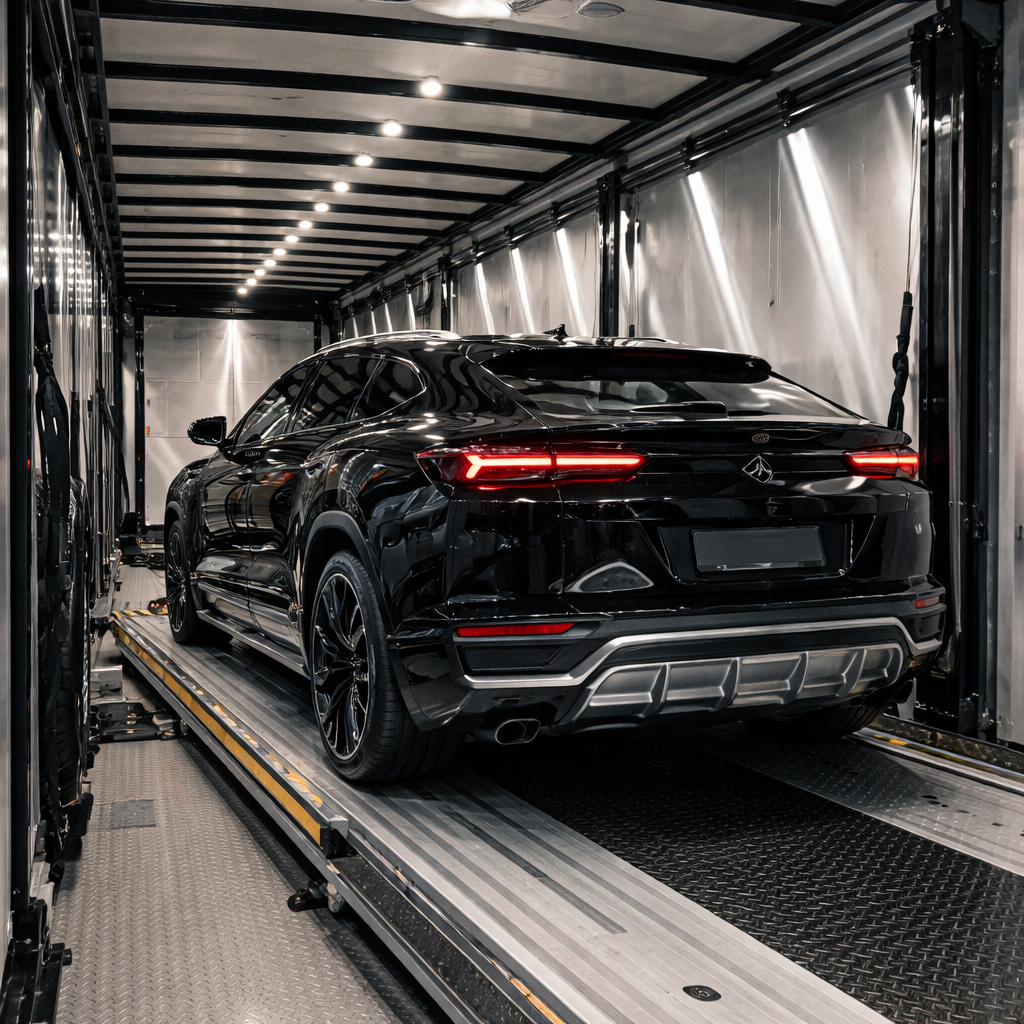
Understanding Vehicle Insurance in Auto Transport
When planning to ship your vehicle, one of the most important aspects to consider is insurance. Proper coverage can provide peace of mind and protection from unforeseen circumstances during transport. In this guide, we’ll walk you through the essentials of auto transport insurance and how to ensure your vehicle is adequately covered.
The Importance of Insurance in Auto Transport
Auto transport involves moving your vehicle over long distances, often across different states or even countries. During this journey, various risks can arise, including accidents, theft, or weather-related incidents. Thus, having comprehensive insurance is crucial.
Types of Insurance Coverage
- Carrier Liability Insurance: This is the basic coverage provided by the auto transport company. It protects your vehicle in case of damage while in transit, but it may not cover the entire value of your car.
- Personal Auto Insurance: Some personal auto insurance policies extend coverage to vehicles while they are being transported. This can work as additional protection.
- Full Coverage Insurance: This includes both collision and comprehensive insurance, protecting against a wider range of damages.
How to Ensure You Have the Right Coverage
Navigating auto transport insurance can be daunting, but following these steps can help ensure you have the right coverage:
1. Check with Your Transport Company
Always start by asking your chosen auto transport company about their insurance policies. Understand the level of coverage they provide, including any limitations or deductibles. Comparing multiple companies can also give you a sense of the standard coverage in the industry.
2. Review Your Personal Auto Insurance
Contact your personal insurance agent to check if your vehicle is covered during transport. If so, determine the extent of that coverage and whether it complements what your transport company offers.
3. Consider Additional Coverage
If the basic coverage provided by your transport company is insufficient, think about purchasing additional insurance. Many transport companies offer additional coverage options that can provide extra protection for your vehicle.
Common Misconceptions About Auto Transport Insurance
Many car owners hold misconceptions about auto transport insurance that can lead to gaps in coverage:
Misconception 1: Carrier Liability Insurance is Enough
While it's essential, carrier liability insurance may not cover all damages or the full value of your vehicle. Personal insurance can fill these gaps.
Misconception 2: My Vehicle is Fully Covered No Matter What
Many assume that their personal auto insurance provides complete coverage during transport. However, exclusions may apply, so verify what is included in your policy.
Mitigating Risks During Auto Transport
In addition to having the right insurance, there are steps you can take to reduce risks during transport:
- Document Your Vehicle: Take photos of your vehicle from multiple angles before transportation. This helps establish its condition prior to shipping.
- Communicate with the Transport Company: Share any specific concerns about your vehicle with the transport team, such as aftermarket modifications or any pre-existing damage.
- Choose a Reputable Transport Company: Research and opt for a company with a track record of reliability and positive customer feedback.
Conclusion
Shipping your vehicle can be a stress-free experience when you are well-informed about insurance options and protections. Make sure you thoroughly understand the coverage provided by your transport company and complement it with your personal auto insurance where necessary. By taking these steps, you will gain confidence in the protection of your vehicle throughout the shipping process.