
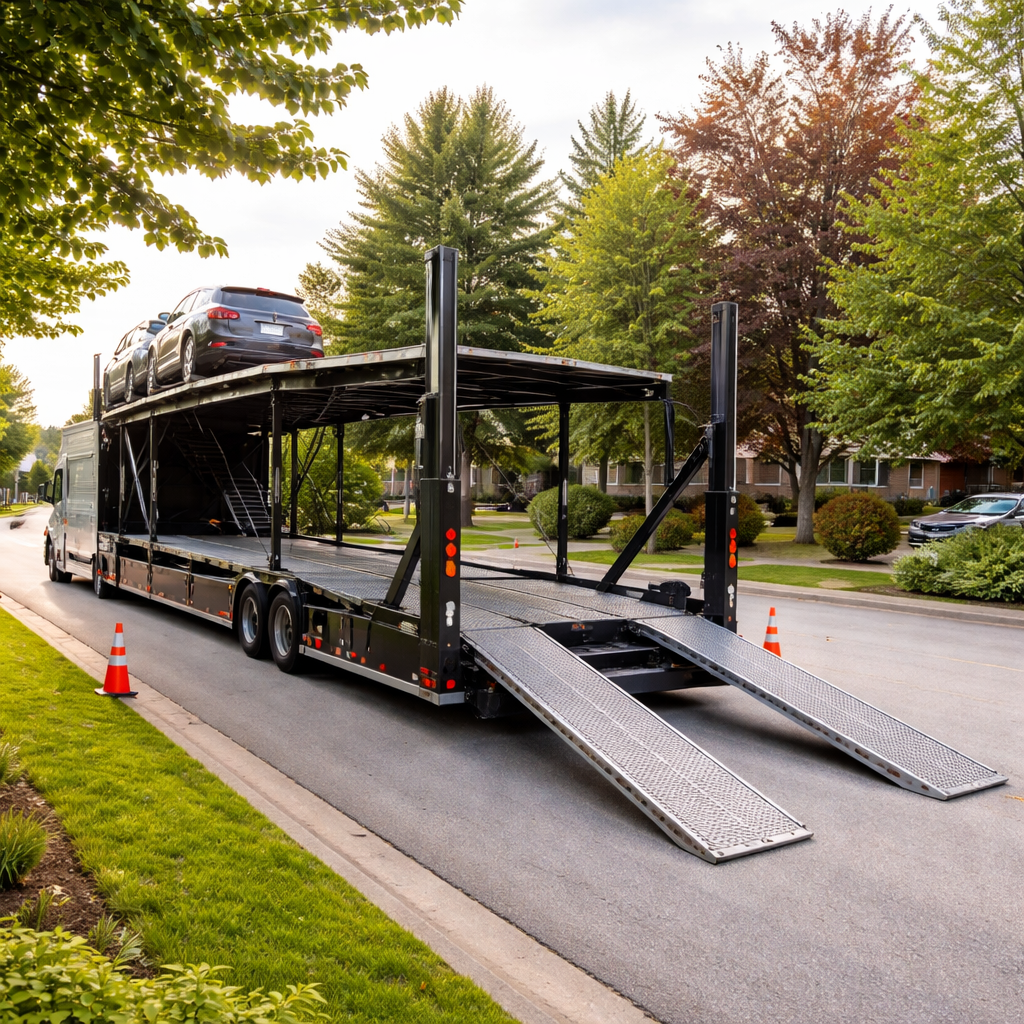
Understanding the Importance of Seasonal Vehicle Transport
Every vehicle owner experiences seasonal changes that affect their transportation needs. Whether you're relocating for work, heading to a sunny vacation destination, or storing your vehicle for the winter, preparing your vehicle for seasonal transport is crucial. Proper preparation ensures that your car arrives in optimal condition and saves you from unnecessary headaches.
Key Steps to Prepare Your Vehicle
1. Clean Your Vehicle
Before your vehicle is transported, start with a thorough cleaning. This includes washing, waxing, and detailing both the exterior and interior. Not only does this make it visually appealing upon arrival, but it also allows you to identify any existing damages that should be noted before shipping.
2. Inspect for Damage
Conduct a thorough inspection of your vehicle to check for any pre-existing damage. Take photos to document any scratches, dents, or issues. This documentation can be invaluable if you encounter any problems during transport.
3. Remove Personal Items
For safety and security reasons, remove all personal items from your vehicle. This includes any valuable belongings as well as anything that could become a projectile during transport. Most transportation companies do not insure personal items, so it’s best to take them with you.
4. Ensure the Vehicle is in Running Condition
Make sure your vehicle is in running condition. Check the battery, brakes, tires, and fuel levels. It's recommended to keep a quarter tank of gas in your vehicle for transport—enough to load and unload without completely full. If your vehicle is not operable, notify your auto transport company as additional arrangements may be necessary.
5. Disable Alarm Systems
If your vehicle has an alarm system, ensure it is disabled to prevent unnecessary disturbances during transit. This also helps the transport team manage the vehicle more efficiently, ensuring a smoother process overall.
6. Choose the Right Season
Understand that seasonal factors impact transport options and prices. For instance, shipping during peak seasons (such as summer and holidays) may increase costs and affect scheduling. If your schedule allows, consider shipping during the off-season for potentially lower rates and more flexible scheduling.
Cost Considerations for Seasonal Transport
When planning for seasonal transport, keep in mind the following factors that can affect pricing:
- Distance: Longer distances typically incur higher costs.
- Type of Transport: Choosing between open and enclosed transport can greatly impact cost. Enclosed carriers provide more protection, especially during harsh weather conditions.
- Vehicle Size and Weight: The bigger and heavier your vehicle, the more it will cost to transport.
- Seasonality: Shipping costs can increase during peak seasons. Planning ahead can save you money.
Choosing a Reputable Auto Transport Service
Selecting a trustworthy auto transport company is essential for a positive experience. Look for reviews, ask for recommendations, and check their insurance coverage. A reputable company will guide you through the process, answer your questions, and provide clear pricing with no hidden fees.
Final Thoughts
Preparing your vehicle for seasonal transport will ease the process and allow for a smoother transition. By following the steps outlined above, you can avoid potential pitfalls and ensure that your vehicle arrives in excellent condition. Stay proactive and informed to make your vehicle shipping experience a pleasant one!