
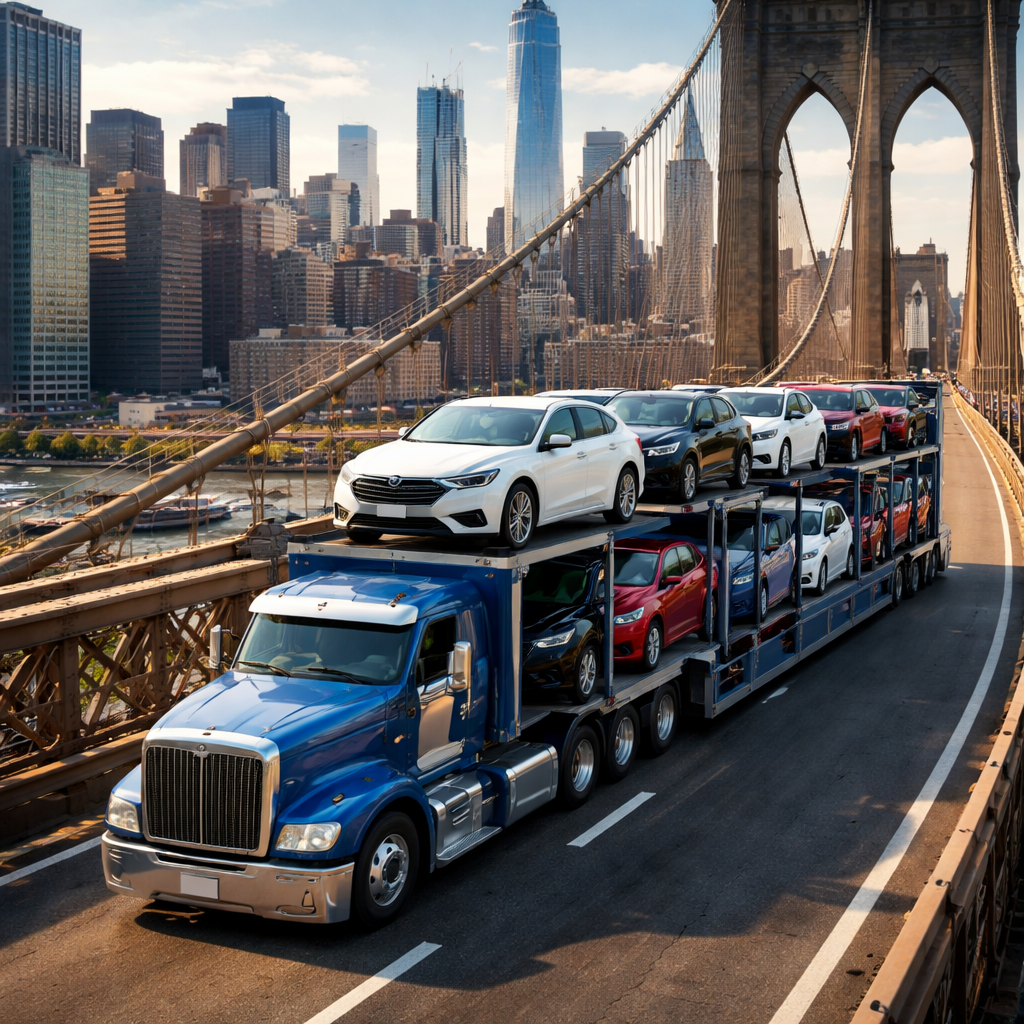
Understanding the Importance of Insurance in Auto Transport
When it comes to transporting your vehicle, whether across the state or across the country, securing the right insurance coverage for auto transport is paramount. While most reputable auto transport companies offer liability coverage, understanding the different insurance options available can provide you with added peace of mind during your vehicle shipping process.
Why Insurance Matters in Vehicle Shipping
Shipping a vehicle inherently comes with a certain level of risk, including potential damage or loss during transit. Having proper insurance not only protects your investment but also offers reassurance in case of unforeseen incidents. Here are key reasons why having insurance is essential:
- Protection Against Damage: Even with the best handling practices, accidents can occur. Insurance can cover repair costs for any damage that happens during transport.
- Coverage for Total Loss: In the unfortunate event your vehicle is completely lost or destroyed, insurance can help you recoup its value.
- Liability Coverage: This is especially important if you’re using an auto transport company that is under a higher risk—covering damages to other vehicles or property can be crucial.
Types of Insurance Coverage Available
Understanding the types of insurance coverage available in auto transport will help you make informed decisions. Below are the main categories:
- Carrier’s Liability Insurance: This is standard coverage provided by the transport company and generally covers damage that occurs while in transit. However, it may come with limitations and exclusions, so it’s vital to read the fine print.
- Additional Insurance Options: Many auto transport companies offer additional insurance plans for enhanced coverage. This may include coverage for specific vulnerabilities your vehicle may have, such as limited modifications or classic automobile status.
- Your Personal Insurance: Check with your personal vehicle insurance provider, as some policies may extend coverage for your vehicle while it's being transported. This could offer you an opportunity to save money by not purchasing additional coverage from the transport company.
Choosing the Right Insurance for Your Needs
When selecting insurance for auto transport, consider the following factors:
- Value of Your Vehicle: The higher the value, the more important it is to ensure adequate coverage. Sports cars or classic cars may need specific coverage due to their worth and vulnerability.
- Distance and Route: If you're transporting your vehicle long distances or through busy urban areas, ensure you have adequate coverage for potential risks.
- Transport Method: If you choose enclosed transport, the risks are often lower than open transport. However, make sure your insurance reflects this choice appropriately.
What to Do If Your Vehicle is Damaged During Transport
In the unfortunate event that your vehicle is damaged or lost during transport, here are the steps you should take:
- Document the Damage: Take photos of any visible damage or loss before removing the vehicle from the transport carrier.
- Contact the Transport Company: Notify the auto transport company immediately, as they may have specific reporting procedures.
- File an Insurance Claim: If you have insurance, start the claims process promptly. Your auto transport company should guide you through this process.
Final Thoughts on Auto Transport Insurance
When planning for vehicle shipping, don’t overlook the importance of insurance coverage. Taking the time to research and select the right insurance will not only protect your investment but will also provide you with peace of mind during the vehicle transport process. Always communicate with your auto transport provider about your insurance options to ensure your vehicle arrives safely at its destination.