
Understanding the Impact of Weather on Auto Transport
When it comes to vehicle shipping, many factors influence the transport schedule. One of the most significant factors that can alter shipping timelines is the weather. Bad weather can lead to delays or changes in transport routes, impacting delivery times. Understanding how various weather conditions can affect auto transport scheduling will help you better plan your vehicle shipment.
Common Weather Conditions That Affect Auto Transport
- Rain and Flooding: Heavy rains can lead to flooding, especially in low-lying areas. This can create unsafe driving conditions and force carriers to reroute, resulting in delays.
- Snow and Ice: Winter storms can significantly impact transport schedules. Snow and icy roads not only increase the risk of accidents but also slow down travel times. Auto transporters may delay shipments until conditions improve.
- Extreme Temperatures: When temperatures soar or plummet, it can affect both the vehicles being shipped and the carriers. Hot temperatures can lead to overheating engines, while extremely cold weather may cause battery issues. Transporters may take extra precautions, which can lengthen delivery times.
- Hurricanes and Severe Storms: In regions prone to tropical storms and hurricanes, auto transport services may be completely halted in the lead-up to these events. Advanced scheduling is essential to avoid last-minute disruptions.
How to Navigate Weather-Related Shipping Challenges
While weather can pose challenges, there are strategies you can employ to minimize the impact on your auto transport:
1. Plan Ahead
Anticipate common weather conditions in your area or along the shipping route during your planned shipment time. For instance, if you're shipping during winter months, expect possible snow delays and plan accordingly.
2. Communicate with Your Transporter
Stay in touch with your auto transport company. They can provide updates about any potential weather issues that may impact your shipment timeline. A good carrier will always keep you informed.
3. Consider Flexible Shipping Dates
If possible, choose flexible shipping dates. This gives your transporter leeway to adjust their route or schedule based on weather conditions, which can ultimately lead to a more reliable timeline.
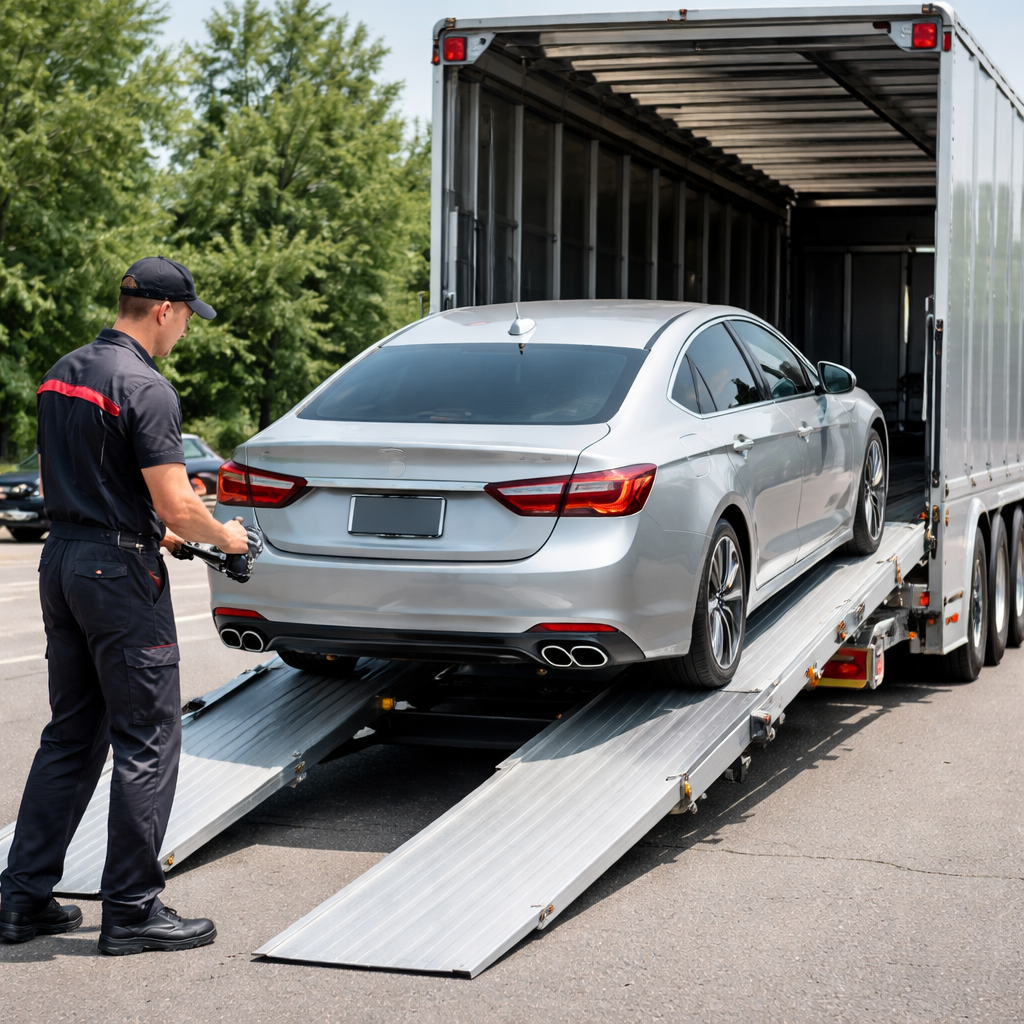
4. Opt for Enclosed Transport if Necessary
For luxury or classic cars, consider opting for enclosed transport, especially during inclement weather. Enclosed transport offers additional protection against the elements, providing peace of mind during transit.
Conclusion
Weather does play a significant role in the auto transport industry. By understanding how weather conditions can affect transport schedules and implementing effective strategies, you can ensure a smoother vehicle shipping experience. Always remain proactive and choose a reliable auto transport service that prioritizes communication and safety.